How to Overwinter Yellow oleander
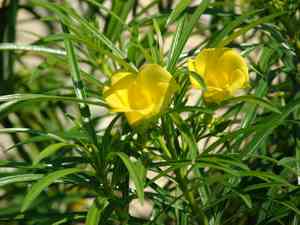
1
Yellow oleander poses a toxicity risk to animals and people; exercise caution when handling.
2
Optimal indoor temperature for Yellow oleander during dormancy: 15-21°C (59-70°F).
3
Yellow oleander needs ample, filtered light throughout the winter season.
Why Overwintering is Important for Yellow oleander
Why Overwintering is Important for Yellow oleander
Overwintering is vital for Yellow oleander, particularly in areas with harsh winters. This tropical species is sensitive to frost, meaning it cannot endure prolonged exposure to freezing temperatures. By moving your Yellow oleander indoors and providing suitable conditions, you guarantee its survival and vigorous development in spring. Proper overwintering leads to a longer lifespan and a healthier plant overall.
How to Prepare Yellow oleander for Overwintering
Pruning Yellow oleander
Before relocating your Yellow oleander indoors, consider trimming it. Cut back any elongated or sparse growth by roughly one-third. This not only makes the plant more manageable for indoor spaces but also promotes new growth and maintains a dense, appealing appearance. Always use clean, sharp pruning shears for precise cuts.
Inspecting for Pests and Diseases
Thoroughly examine your Yellow oleander for any indications of pests or diseases. Common pests include aphids, spider mites, and whiteflies. If you find an infestation, treat the plant with appropriate insecticidal soap or neem oil before bringing it inside. This step prevents pests from spreading to other indoor plants.
Repotting if Necessary
If your Yellow oleander has outgrown its current container, consider repotting it into a slightly larger one. Ensure the new pot has adequate drainage to prevent root rot. A well-draining potting mix, such as a blend of perlite and peat, is ideal. Repotting gives the plant a fresh start and more room to grow during its indoor stay.
Indoor Overwintering Requirements for Yellow oleander
Ideal Temperature and Humidity
Yellow oleander prefers a stable indoor temperature range between 15-21°C (59-70°F). Avoid placing the plant near drafts or heating vents that could cause temperature fluctuations. Maintain humidity levels at around 40-50%, which can be achieved using a humidifier or by placing a tray of water near the plant.
Lighting Conditions
Yellow oleander requires bright, indirect light to thrive indoors. Position the plant near a south or west-facing window where it can receive plenty of natural light. If natural light is insufficient, supplement with fluorescent grow lights to ensure the plant gets at least 6-8 hours of light daily.
Watering Needs
During the winter months, reduce the watering frequency for your Yellow oleander. Allow the top 2.5 to 5 cm (1-2 inches) of soil to dry out between waterings. Overwatering can lead to root rot, so it's vital to monitor soil moisture levels carefully. Water the plant thoroughly, but ensure the pot drains well.
Fertilization Schedule
Reduce fertilization during the winter months, as the plant's growth naturally slows down. A balanced, water-soluble fertilizer diluted to half strength, applied once a month, is sufficient. Over-fertilizing can lead to salt buildup in the soil, which can harm the plantâs roots.
Common Problems During Overwintering
Yellowing Leaves
Yellowing leaves can indicate various issues, such as overwatering, underwatering, or inadequate light. Check the plant's watering schedule and adjust as necessary. Ensure it receives enough light, and inspect for any signs of pests or diseases that could be stressing the plant.
Root Rot
Root rot is often a consequence of overwatering or poor drainage. If you notice mushy, black roots, trim the affected areas and repot the plant in fresh, well-draining soil. Adjust your watering habits to prevent future occurrences.
Pest Infestations
Indoor environments can still host pests like spider mites and aphids. Regularly inspect your Yellow oleander and treat any infestations promptly with insecticidal soap or neem oil. Keeping the plant healthy and maintaining good air circulation can reduce the risk of pest problems.
Preparing Yellow oleander for Spring
Transitioning to Outdoor Conditions
As spring approaches and temperatures rise, gradually reintroduce your Yellow oleander to outdoor conditions. Start by placing the plant outside for a few hours each day, gradually increasing the time spent outdoors over one to two weeks. This period of acclimatization helps the plant adjust to the increased light and temperature changes.
Gradually Increasing Water and Fertilizer
With the arrival of spring, you can begin to increase the frequency of watering and resume a regular fertilization schedule. Ensure consistent moisture throughout the growing season and apply a balanced fertilizer every two weeks to support robust growth and flowering.



