How to Overwinter Blueblossom
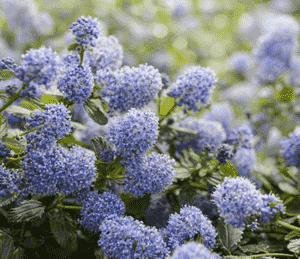
1
Blueblossom tolerates cold well, making it a robust option for winter landscapes.
2
Trimming Blueblossom prior to winter aids in preserving its form and vitality.
3
Applying mulch around Blueblossom's base assists in shielding its roots from freezing conditions.
Why Overwintering Blueblossom is Important?
Why Overwintering Blueblossom is Important?
Protecting Blueblossom during winter is vital for its survival and overall health. As a plant tolerant of cold, it thrives in regions with mild to moderate winters. Nevertheless, extra attention guarantees its vigor and vibrancy come spring. Maintaining proper conditions through winter helps Blueblossom endure cold spells, fostering strong growth and abundant blooms in the subsequent growing season.
Ideal Conditions for Overwintering Blueblossom
Temperature and Light Requirements
Blueblossom flourishes in full sun but requires defense from harsh winter gusts. It can withstand temperatures down to -12°C (10°F). During winter, ensuring sufficient sunlight is crucial. If situated in an area with inadequate natural light, consider supplementing with grow lights. Shielding the plant from strong, drying winds with a windbreak or strategically placed screens can also aid its health.
Soil and Moisture Needs
Proper soil and water management are essential for Blueblossom's winter survival. It prefers well-draining soil to prevent root rot. Improve soil drainage by incorporating organic matter like compost. Watering only when necessary, especially before the ground freezes, ensures the plant stays hydrated without becoming waterlogged. On average, Blueblossom needs about 1 inch (2.5 cm) of water weekly. Infrequent but deep watering promotes stronger root systems.
How to Prepare Blueblossom for Winter?
Pruning Techniques
Pruning Blueblossom before winter ensures it maintains a manageable size and form. The optimal time to prune is in late autumn, once the plant has ceased active growth. Remove any dead or diseased branches to prevent further damage during winter. Trimming back approximately 1/3 of the plant's growth encourages healthy regrowth in the spring. Always use clean, sharp pruning tools for precise cuts.
Mulching Methods
Applying mulch around Blueblossom's base provides insulation for the roots, helping to maintain a consistent temperature and retain moisture. Use organic mulch, such as straw, bark, or compost, spread in a 5-10 cm (2-4 inch) thick layer. Ensure the mulch is placed a few centimeters away from the plant's base to prevent rot. Mulching not only protects the roots from freezing but also reduces weed growth and soil erosion.
Common Issues While Overwintering Blueblossom
Pests and Diseases
Overwintering Blueblossom can sometimes attract pests like aphids or spider mites. Regularly inspecting the plant and treating any infestations early with insecticidal soap or neem oil can prevent significant damage. Diseases such as powdery mildew can also appear; to mitigate this, ensure good air circulation around the plant and avoid overhead watering. Removing any fallen leaves or debris around the plant base helps to reduce disease risks.
Frost Damage Prevention
Frost damage can be a concern even for frost-hardy plants like Blueblossom. To protect against unexpected severe frosts, consider covering the plant with burlap or frost cloth on particularly cold nights. Wrapping the trunk with tree wrap or using commercial frost protectors can prevent frost cracks and damage to the bark. Planting Blueblossom in a sheltered spot, such as a south-facing slope or against a wall, also reduces frost exposure.
FAQs about Overwintering Blueblossom
What should I do if my Blueblossom shows signs of stress?
If your Blueblossom exhibits signs of stress, such as wilting leaves or discolored foliage, first check the soil moisture level. Ensure itâs neither too dry nor too wet. Inspect for pests and treat accordingly. Providing additional shelter or temporarily moving indoor potted plants can help. Adjust watering practices and consider adding more mulch or using a frost cover if the weather conditions are harsh.
Can Blueblossom be grown indoors during winter?
While Blueblossom is typically an outdoor plant, it can be grown indoors during winter in colder climates. Ensure it is placed in a location with ample sunlight, such as near a south-facing window, or use grow lights to supplement natural light. Maintain a cool room temperature and keep the soil slightly moist, but not waterlogged. Be mindful of indoor humidity levels and use a humidifier if necessary to maintain a suitable environment for the plant.



