How to Overwinter Deodar cedar
1
Deodar cedar thrives in soil that drains effectively and may suffer from root rot if the ground remains too wet.
2
Applying mulch aids in insulating Deodar cedar's roots and preserving moisture throughout the colder months.
3
Trim the plant prior to winter's arrival to eliminate any frail or lifeless branches.
Why Deodar cedar Needs Special Care in Winter?
Why Deodar cedar Needs Special Care in Winter?
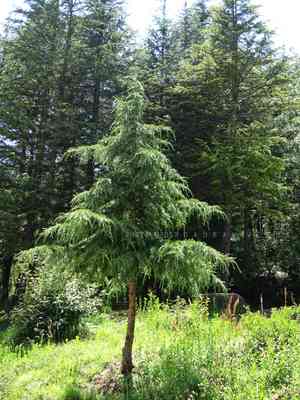
The Deodar cedar is a magnificent evergreen tree, indigenous to the western Himalayas. Despite its hardiness and ability to endure cold, it still demands particular attention during the colder months. This care ensures the tree stays healthy and appealing. For instance, freezing temperatures can cause frost damage to its needles, and heavy snow can result in branch snapping. By taking specific actions, you can safeguard your Deodar cedar from severe winter elements, guaranteeing its vibrant growth in spring.
Pre-Winter Preparation for Deodar cedar
Inspecting Your Tree
Prior to the winter season, dedicate time to thoroughly examine your Deodar cedar. Look for any indications of disease, pest infestations, or structural problems. Check the trunk, branches, and needles for discoloration or unusual growths. Identifying and addressing these issues early can prevent them from worsening during the cold period.
Pruning and Cleaning
Pruning is a crucial step in getting your Deodar cedar ready for winter. Remove any dead, damaged, or diseased branches to lessen the chance of breakage and to enhance air circulation. This will help the tree withstand heavy snowfall and ice buildup. Clear away fallen debris around the base to reduce the risk of pests and diseases.
Watering and Mulching
Water your Deodar cedar deeply before the ground freezes to ensure it has sufficient moisture. Apply a 5-10 cm (2-4 inch) layer of mulch around the tree's base. This helps retain soil moisture, regulate soil temperature, and shield the roots from the cold. Avoid piling the mulch against the trunk, as this can promote rot.
Ideal Winter Conditions for Deodar cedar
Temperature Requirements
The Deodar cedar can tolerate a broad range of temperatures. However, temperatures below -18°C (0°F) can harm young trees. Ensuring your tree is well-established before winter can help it endure lower temperatures more effectively.
Light and Shade
Deodar cedar thrives in full sun but can handle partial shade. During winter, ensure the tree receives ample sunlight, which can help it cope with low temperatures and maintain its health.
Soil and Drainage
Well-drained soil is vital for the health of your Deodar cedar. Poor drainage can lead to waterlogging and root rot, especially in winter when the ground may stay wet for extended periods. Consider improving soil drainage with organic matter or sand if needed.
How to Protect Deodar cedar During Severe Weather?
Using Burlap Wraps
Wrapping your Deodar cedar with burlap can shield it from harsh winds and freezing temperatures. Secure the burlap around the tree using twine, ensuring it's snug but not too tight. This barrier helps maintain a more stable temperature around the tree.
Wind Barriers
Wind can cause significant damage, especially to young or newly planted Deodar cedars. Erecting a wind barrier using stakes and burlap can provide extra protection. Position the barrier on the windward side to break the force of the wind.
Snow Management
Heavy snow accumulation can lead to branch breakage. Gently brush off excess snow from the branches to prevent this. For ice, avoid striking the branches to remove it, as this can cause more damage. Instead, let it melt naturally.
Common Winter Problems and Solutions for Deodar cedar
Recognizing Frost Damage
Frost damage on Deodar cedar appears as browning or blackening of needles. If you notice frost damage, prune the affected areas in early spring to prevent the spread of damage and new growth issues.
Preventing Root Rot
To prevent root rot, ensure proper drainage around the tree. Waterlogging, especially in winter, can lead to root damage. Applying mulch appropriately and avoiding overwatering are key preventive measures.
Addressing Branch Breakage
If branches break due to snow or ice, prune them cleanly to prevent disease entry. Supporting weaker branches with proper pruning techniques before winter can minimize the risk of breakage.



