How to Overwinter Common hackberry
1
Common hackberry trees exhibit significant resilience, tolerating temperatures down to -34°C (-30°F).
2
Applying mulch around the base of your Common hackberry aids in moisture retention and offers protection during severe winter periods.
3
Tree wraps and guards are crucial for safeguarding young Common hackberry trees against frost and harm from animals.
Understanding the Common hackberry's Frost Hardiness
Understanding the Common hackberry's Frost Hardiness
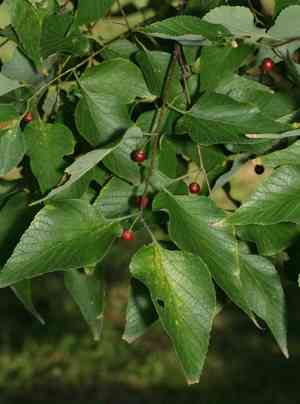
The Common hackberry (Celtis occidentalis) is a sturdy tree known for its adaptability and resilience. Despite its tough nature, allowing it to thrive in USDA hardiness zones 2 through 9, winter preparation remains vital for ensuring peak health and development. These trees can endure extremely low temperatures, making them a popular choice for North American landscapes. Nevertheless, proper overwintering care can lessen potential risks from harsh weather conditions.
Preparing Common hackberry for Winter
Inspecting for Pests and Diseases
Before winter arrives, examine your Common hackberry for any indications of pests or diseases. Look for common issues like leaf spots, witches' broom, and various insect infestations. Addressing these problems before winter will help prevent them from worsening during the dormant season.
Watering Needs Before Winter
Ensure your Common hackberry is well-hydrated before the ground freezes. Deep watering, ideally to a depth of 30 cm (12 inches), ensures the tree's root system is adequately supported. This practice helps the tree withstand the dry conditions often accompanying winter.
Mulching for Insulation
Apply a thick layer of mulch around the tree's base, extending to the drip line. Use about 7-10 cm (3-4 inches) of organic mulch such as wood chips or straw. Mulching helps retain soil moisture and provides insulation, protecting roots from extreme temperature fluctuations.
Protecting Young Common hackberry Trees During Winter
Using Tree Wraps and Guards
Young Common hackberry trees are especially susceptible to frost and foraging animals. Wrap the trunk with a tree wrap to protect the bark from frost cracks and sunscald. Additionally, use tree guards to prevent damage from animals like deer and rabbits.
Building Windbreaks
Wind can be particularly harsh on young trees. Construct temporary windbreaks using materials like burlap screens or snow fences to shield your Common hackberry from freezing winds. Position the windbreaks on the windward side of the tree for maximum effectiveness.
Maintaining Common hackberry During Winter
Periodic Watering
Even during winter, it's crucial to ensure your Common hackberry receives sufficient moisture. If there are prolonged dry spells, water the tree on days when the temperature is above freezing. This helps prevent roots from drying out and sustains the tree's health throughout the cold months.
Monitoring for Wildlife Damage
Winter can attract various wildlife to your garden seeking sustenance. Monitor your Common hackberry for signs of animal damage, such as gnawed bark or broken branches. Installing protective barriers or applying non-toxic repellents can help deter these animals from causing harm.
Post-Winter Care for Common hackberry
Inspecting for Winter Damage
Once the frost recedes, inspect your Common hackberry for any winter damage. Look for broken limbs, frost cracks in the trunk, and any signs of disease or pest infestations that might have developed.
Early Spring Pruning
Pruning should be done in early spring before new growth commences. Remove any dead or damaged branches to improve the tree's structure and facilitate healthy growth. Pruning also helps increase air circulation, reducing the risk of disease.
Fertilizing and Soil Care
After a long winter, your Common hackberry will benefit from a nutrient boost. Apply a balanced, slow-release fertilizer to support new growth. Additionally, check the soil condition and amend it if necessary to ensure optimal nutrient absorption.



