How to Overwinter Carob tree
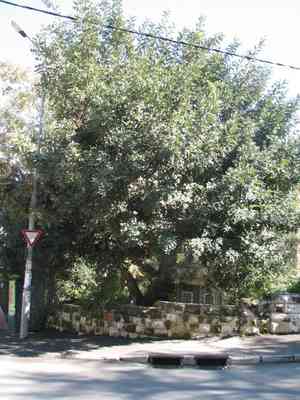
1
The Carob tree originates from the Mediterranean area and thrives in a warm, arid environment.
2
Temperatures falling below 5°C (41°F) may damage the delicate Carob tree. Moving it indoors is essential.
3
Maintaining steady indoor humidity can aid in avoiding leaf shedding and other typical winter problems.
Why Overwintering is Necessary for a Carob tree
Why Overwintering is Necessary for a Carob tree
The Carob tree (Ceratonia siliqua) is a delicate plant originating from the warm, arid Mediterranean regions. Its sensitive nature makes it especially susceptible during colder months. Overwintering is a crucial process to protect the tree from freezing temperatures and harsh weather. Bringing it indoors helps maintain its overall health and ensures it thrives when the growing season resumes. In areas where winter temperatures fall below 5°C (41°F), moving the Carob tree inside becomes essential.
When to Start Overwintering Your Carob tree
Signs of Dropping Temperatures
Monitoring local weather patterns is crucial for determining when to begin the overwintering process for your Carob tree. Once nighttime temperatures consistently fall below 10°C (50°F), it's time to consider bringing the tree indoors. Be proactive; do not wait for the first frost, as even brief exposure to cold can harm this tender plant.
Optimal Timing for Transition
The transition should ideally commence in mid to late autumn, allowing ample time for the tree to adjust before winter fully sets in. This gradual approach helps minimize shock to the plant. Pay attention to weather forecasts and move the tree indoors before the first frost is predicted.
Preparing the Carob tree for Indoor Transition
Pruning and Cleaning the Carob tree
Begin by trimming any dead or damaged branches to refine the tree's shape and reduce its size for easier handling. Wiping the leaves with a damp cloth can remove dust and pests, ensuring the plant stays healthy once inside.
Inspecting for Pests and Diseases
Thoroughly examine your Carob tree for any indications of pests or diseases before bringing it inside. Look for tiny insects, spiderwebs, or unusual spots on the foliage. Addressing these issues early can prevent infestations and maintain a healthier indoor environment.
Gradually Acclimating to Indoor Conditions
To minimize shock, slowly acclimate your Carob tree to its new indoor setting. Start by moving the plant to a shaded outdoor area or an unheated garage for a few days. Gradually increase the time it spends indoors, ensuring it adapts to changes in light and temperature.
Ideal Indoor Conditions for Overwintering a Carob tree
Light Requirements
Position your Carob tree near a south-facing window where it can receive abundant bright, indirect sunlight. If natural light is insufficient, consider using a grow light to supplement its needs. Insufficient light can cause leaf yellowing or drop.
Temperature and Humidity Control
Maintain indoor temperatures between 15-21°C (59-70°F) for optimal growth. Use a humidity tray or a room humidifier to keep humidity levels moderate, around 40-60%, which helps prevent leaf drop and other humidity-related issues.
Watering and Feeding Guidelines
Water the Carob tree sparingly during winter, allowing the topsoil to dry out between waterings. Overwatering can lead to root rot. Fertilizing can be paused or reduced during this period as the tree's growth slows. Resume regular feeding in spring.



