How to Overwinter Hinoki cypress
1
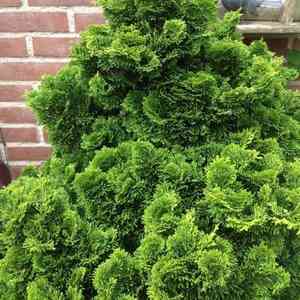
Hinoki cypress tolerates cold well and can endure minor frosts.
2
Adequate mulching is essential to safeguard roots in colder months.
3
Examine your Hinoki cypress for cold-related harm once spring temperatures increase.
What is Overwintering?
What is Overwintering?
Overwintering refers to the methods used to help plants survive the cold winter months. For evergreen trees like the Hinoki cypress, it involves preparing the plant to endure cold temperatures, frost, and potential snow. This process is crucial to ensure your tree remains healthy and vibrant as it awaits the warmer spring months. Overwintering involves a combination of techniques to protect the branches, leaves, roots, and overall health of the plant. Understanding these methods and implementing them correctly can make a significant difference in your Hinoki cypress thriving post-winter.
Preparing Your Hinoki cypress for Winter
Ensuring Proper Watering
Before the first frost arrives, ensure your Hinoki cypress is well-hydrated. Watering the tree deeply in late autumn helps the roots absorb enough moisture, which is essential as the ground can become dry and hard during winter. Aim to provide 10-20 liters (2.6-5.3 gallons) of water per tree as the temperatures start to drop. This preparation ensures that the roots have sufficient nutrients and hydration to withstand the freezing conditions.
Mulching Techniques
Applying mulch around the base of your Hinoki cypress can offer an additional layer of protection for the roots. Use organic mulch like pine needles, bark chips, or straw, spreading it in a 5-10 cm (2-4 inches) thick layer. Ensure the mulch is placed in a 30-60 cm (1-2 feet) radius around the tree trunk but keep it a few centimeters (inches) away from direct contact with the trunk to prevent rot. This technique helps in retaining soil moisture and providing insulation against extreme temperatures.
Pruning Guidelines
Pruning your Hinoki cypress is another critical step in preparation for winter. Remove any dead or damaged branches to reduce the risk of them breaking under the weight of snow or ice. However, avoid heavy pruning late in the season, as this can stimulate new growth that may not harden off before winter arrives. Focus on light trimming to maintain the shape and health of the tree without stressing it.
How to Protect Hinoki cypress from Extreme Cold?
Using Windbreaks
Winter winds can dry out and damage the foliage of your Hinoki cypress. Consider creating windbreaks using burlap screens or planting other hardy shrubs around your tree to shield it from harsh winds. Position the windbreaks at a reasonable distance to prevent any direct contact that might cause physical damage.
Wrapping the Tree
Wrapping your Hinoki cypress with burlap can offer an additional layer of protection against frost and wind. Start by loosely wrapping the burlap around the tree, securing it with twine. Ensure that the wrapping allows for some air circulation to prevent moisture buildup and potential fungal growth. This method is particularly useful for smaller or young trees that are more susceptible to winter damage.
Common Winter Pests and Diseases for Hinoki cypress
Identifying Potential Threats
Despite its hardy nature, the Hinoki cypress can still fall victim to winter pests and diseases. Look out for signs of spider mites, aphids, and scales, which can survive in the warmth of the tree's bark. Likewise, fungal infections can occur if moisture is persistently high. Familiarize yourself with the appearance of these pests and signs of disease to address any issues early on.
Preventative Measures
To prevent winter pests and diseases, ensure your tree is healthy and stress-free before winter. Treat any current infestations with appropriate organic pesticides or horticultural oils. During the winter, keep an eye on the tree for any new signs of pests or disease. Regular inspection and prompt treatment can prevent small issues from becoming significant problems.
Post-Winter Care for Hinoki cypress
Inspecting for Damage
As temperatures rise in spring, inspect your Hinoki cypress for any winter damage. Look for broken branches, frostbite, or other signs of stress. Remove any damaged or dead parts promptly to encourage new growth. Address any remaining signs of pests or disease with appropriate treatments.
Resuming Regular Watering and Feeding
Once winter is over, gradually resume regular watering and feeding schedules. Provide consistent moisture as the tree starts to grow actively again, but avoid waterlogging. A balanced, slow-release fertilizer can also help replenish any lost nutrients and support healthy spring growth. Follow up with another layer of mulch to retain moisture and suppress weeds.



