How to Overwinter Parlor palm
1
The Parlor palm flourishes in diffused light, making it a perfect houseplant.
2
This plant thrives in temperatures between 18-24°C (65-75°F), which is a common indoor temperature.
3
Keeping humidity levels at approximately 50% can aid your Parlor palm in remaining robust throughout the colder months.
Why Overwinter Parlor palm?
Why Overwinter Parlor palm?
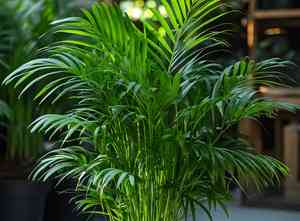
The Parlor palm, recognized for its elegant, arching fronds, is susceptible to frost and cold weather. Protecting this plant during winter is vital to ensure its continued vitality and to maintain its lush appearance in your home throughout the year. While the Parlor palm is simple to care for indoors, it cannot endure temperatures below 10°C (50°F). By relocating it indoors during colder periods, you shield it from harsh outdoor elements and preserve its health.
When to Bring Parlor palm Indoors
Signs of Frost Risk
The primary indicator that it's time to move your Parlor palm inside is the arrival of frost. Monitor weather forecasts for predictions of nighttime temperatures falling below 10°C (50°F). Frost can harm the foliage and roots, often leading to plant stress and potential demise.
Ideal Timing for Transition
Ideally, you should initiate the indoor transition before the first frost. Begin by bringing the plant inside when daytime temperatures consistently drop below 15°C (59°F). Gradually accustom your Parlor palm to indoor conditions by placing it in a shaded outdoor spot for a few days, then moving it indoors to a similar environment.
Preparing Parlor palm for Overwintering
Inspect for Pests
Prior to moving your Parlor palm indoors, check it for pests such as spider mites, aphids, and scale insects. Remove any visible pests with a damp cloth or apply insecticidal soap. This preventative measure ensures that pests do not infest your indoor plants.
Clean the Foliage
Dust can accumulate on your Parlor palm's leaves, impeding photosynthesis. Gently clean the fronds with a damp cloth to remove dust and any remaining pests. This will also aid the plant in adapting better to indoor conditions.
Prune if Necessary
Trimming your Parlor palm before bringing it indoors can help manage its size and eliminate any dead or yellowing leaves. Use clean, sharp scissors or pruning shears to make precise cuts, promoting the plant's overall well-being.
Indoor Care During Winter
Light Requirements
Parlor palms flourish in bright, indirect light. Position your plant near a north or east-facing window. If natural light is insufficient, consider supplementing with grow lights.
Temperature and Humidity
Maintain indoor temperatures between 18-24°C (65-75°F) for optimal growth. Parlor palms also prefer elevated humidity levels. Use a humidifier or place a tray with water and pebbles near the plant to maintain humidity around 50%.
Watering Needs
Reduce watering during winter as the growth rate decreases. Water the Parlor palm when the top 2-3 cm (1 inch) of soil feels dry. Ensure proper drainage to prevent root rot.
Fertilizing in Winter
Refrain from fertilizing during winter months, as the plant's growth significantly slows. Resume feeding in the spring with a balanced, water-soluble fertilizer.
Common Issues and Solutions
Yellowing Leaves
Yellowing leaves can indicate overwatering or insufficient light. Check the soil moisture and ensure your Parlor palm receives adequate, indirect light. Adjust watering and light conditions accordingly.
Pests and Diseases
Indoor plants can still suffer from pests like spider mites or scale. Regularly inspect your plant and use neem oil or insecticidal soap to treat infestations. Maintaining high humidity can also deter pests.
Preparing Parlor palm for Transition Back Outdoors
Slow Reintroduction to Outdoor Conditions
In the spring, gradually reintroduce your Parlor palm to outdoor conditions. Begin by placing it in a shaded area for a few hours daily, slowly increasing the time spent outside over several weeks. This helps the plant acclimate without shock.
Optimal Timing for Moving Outdoors
Relocate your Parlor palm back outdoors when nighttime temperatures consistently remain above 15°C (59°F). This ensures that the plant does not experience any cold stress.



