How to Overwinter Bleeding-heart vine
1
The Bleeding-heart vine is a delicate perennial, indicating its inability to endure frost and its requirement for safeguarding in colder periods.
2
Trimming your Bleeding-heart vine prior to moving it indoors can aid in lowering the chance of pest problems and simplify plant management.
3
Sustaining a humidity range of 40-60% is vital for the Bleeding-heart vine when housed indoors over winter.
The Importance of Overwintering Bleeding-heart vine
The Importance of Overwintering Bleeding-heart vine
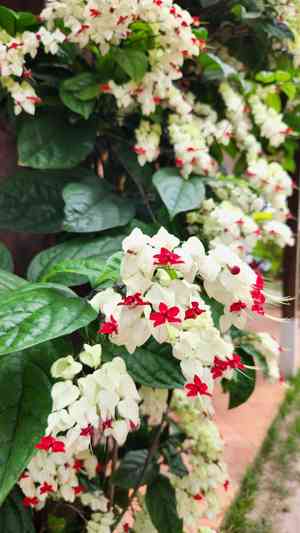
The Bleeding-heart vine (Clerodendrum thomsoniae) is a beautiful tropical plant known for its striking, heart-shaped blooms. As a tender perennial, it lacks frost tolerance and requires careful attention during colder months. Overwintering is crucial to shield the plant from freezing temperatures, which can cause irreversible harm or even death. By taking steps to overwinter your Bleeding-heart vine, you ensure its health and vitality, ready for abundant flowering when warmer weather returns.
Steps for Indoor Overwintering of Bleeding-heart vine
Pruning Your Bleeding-heart vine
Initiate the overwintering process by trimming your Bleeding-heart vine. Reduce the plant's size by up to one-third. This makes it more manageable for indoor conditions and promotes new growth in spring. Remove any dead or yellowed leaves and shorten any elongated stems. This helps minimize pest issues and keeps the plant compact.
Inspecting and Cleaning the Plant
Before moving your Bleeding-heart vine indoors, thoroughly check it for any pest indicators, such as aphids or spider mites. Eliminate any affected parts and consider rinsing the plant with a mild soap solution to ensure it's free from potential infestations. Cleaning the plant's leaves also enhances its photosynthetic efficiency indoors, where light levels might be lower.
Repotting if Necessary
Assess if your plant requires repotting. If the Bleeding-heart vine is root-bound, consider transferring it to a slightly larger container. Use fresh potting mix to provide a nutrient boost. Avoid using garden soil, which can be too dense and may introduce pathogens indoors. A pot with adequate drainage is essential to prevent waterlogging and root rot.
Choosing the Ideal Indoor Location
Selecting the correct indoor spot for your Bleeding-heart vine is vital for successful overwintering. Position it in a bright, sunny area where it can receive at least 4-6 hours of indirect sunlight daily. South or west-facing windows are perfect. Avoid drafty spots and keep it away from direct heat sources like radiators.
Maintaining Proper Humidity and Temperature
The Bleeding-heart vine thrives in humidity levels of 40-60%. Indoor heating can dry out the air, so using a humidifier or placing the plant on a pebble tray with water can help maintain adequate humidity. Keep the indoor temperature between 18-24°C (65-75°F) for optimal growth. Avoid sudden temperature fluctuations as they can stress the plant.
Watering and Feeding During Winter
Reduce watering frequency during winter. Allow the top 2-3 cm (1 inch) of soil to dry out between waterings. Overwatering can lead to root rot. Feeding should also be limited; a well-balanced, diluted liquid fertilizer once a month is sufficient. Ensure good air circulation around the plant to prevent fungal growth.
Monitoring for Pests and Diseases
Regularly inspect your plant for any signs of pests or diseases throughout the winter. Early detection is crucial for managing infestations. If you spot any issues, isolate the affected plant to prevent spread and treat it promptly using appropriate organic or chemical solutions. Keeping the plant healthy by following proper care tips will make it less susceptible to problems.



