How to Overwinter Roughleaf dogwood
1
Cornus drummondii is a resilient plant, capable of enduring sub-zero temperatures.
2
Applying mulch aids in preserving soil hydration and offers protection from chilly conditions.
3
Frequent checks throughout the winter assist in identifying initial indications of strain or harm.
Understanding Roughleaf dogwood's Hardiness
Understanding Roughleaf dogwood's Hardiness
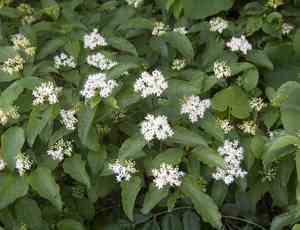
Roughleaf dogwood (Cornus drummondii) is a robust deciduous shrub that flourishes in diverse climates. Its adaptability makes it a favored option for gardeners. Originating from the central United States, this plant is recognized for its strong capacity to endure various environmental conditions, including harsh winters. Its resilience is a key characteristic, enabling it to survive and even thrive through challenging seasonal shifts. This guide will walk you through the essential steps to ensure your Roughleaf dogwood remains healthy and vibrant throughout the winter.
Preparing Roughleaf dogwood for Winter
Watering Requirements
Prior to winter's arrival, ensure your Roughleaf dogwood is adequately hydrated. Reduce watering in late autumn, but it's vital to provide a deep watering just before the ground freezes. This practice helps the plant sustain itself during dry winter months when it cannot absorb water from frozen soil. Aim for approximately 2.5 cm (1 inch) of water, ensuring thorough soil penetration.
Mulching Tips
Mulching effectively safeguards the root system from freezing temperatures. Apply a thick layer of organic mulch, about 5-7.5 cm (2-3 inches) deep, around the plant's base. Mulch acts as an insulating barrier, maintaining soil temperature and preventing extreme cold from harming the roots. It also aids in retaining soil moisture, crucial for the plant's winter health.
Pruning Guidelines
Pruning your Roughleaf dogwood before winter is advantageous. Remove any dead or diseased branches to prevent them from causing damage during winter storms. Trimming these parts also promotes new, healthy growth in spring. However, avoid extensive pruning as it may stress the plant. Instead, focus on light trimming to maintain shape and remove potentially harmful growths.
Protecting Roughleaf dogwood in Severe Weather
Frost Protection Methods
For extra protection during severe frost, consider covering your Roughleaf dogwood with burlap or frost cloths. These materials provide an additional layer of insulation without suffocating the plant. Ensure covers are secured to prevent them from blowing away in the wind. This simple step can shield the plant from the harshest cold snaps and prevent frost damage.
Wind Barrier Techniques
Wind can be particularly detrimental to Roughleaf dogwood during winter. Constructing a windbreak can significantly lessen exposure to cold winds and prevent windburn. Use materials like burlap screens or plant stakes to create a barrier on the plant's windward side. This setup helps to buffer the plant from strong gusts and reduces overall stress from windy conditions.
Monitoring Roughleaf dogwood During Winter
Regular Inspections
Conduct regular inspections throughout winter to check on your Roughleaf dogwood. Look for signs of damage from frost, wind, or pests. Early problem detection allows for prompt response and mitigation of further damage. Also, inspect soil moisture levels, ensuring it doesn't completely dry out despite the cold weather.
Signs of Stress
Watch for signs of stress such as discolored leaves, drooping branches, or unusual growth patterns. These indicators suggest your plant may be struggling with winter conditions. If you notice any of these signs, take corrective measures like adjusting watering schedules or adding more mulch for insulation.
Post-Winter Care for Roughleaf dogwood
Spring Inspection
As winter ends, perform a thorough inspection of your Roughleaf dogwood. Check for any damage that might have occurred during winter, including broken branches or frostbite. This inspection will help determine what care is needed as the growing season begins.
Resuming Regular Maintenance
Once the risk of frost has passed, gradually resume regular maintenance routines. Begin with light pruning to remove any winter damage and encourage new growth. Fertilize the plant to replenish nutrients depleted over winter, and resume regular watering schedules to support the vigorous growth of your Roughleaf dogwood.



