How to Overwinter Kousa dogwood
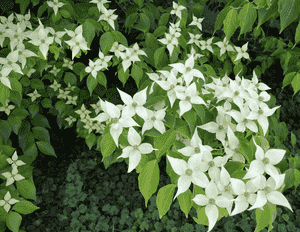
1
Kousa dogwood tolerates cold well, allowing it to thrive in chilly environments.
2
Effective winter maintenance involves applying mulch, trimming, and carefully managing irrigation.
3
During the dormant season, common problems include desiccation, root decay, and insect infestations.
Understanding Kousa dogwood Winter Needs
Understanding Kousa dogwood Winter Needs
The Kousa dogwood is an appealing decorative tree that beautifies any garden with its delicate blooms and vibrant autumn foliage. While it's frost-tolerant and can endure freezing temperatures, it still requires specific attention to ensure it thrives in spring. Being aware of its winter requirements can make a significant impact. During the colder months, Kousa dogwood enters a dormant state, considerably slowing its metabolic processes. It's crucial to maintain this dormancy without completely neglecting the plant.
How to Protect Kousa dogwood from Frost Damage
Using Mulch as Insulation
Mulching is one of the most effective methods to shield the roots of your Kousa dogwood from frost. Apply a thick layer, approximately 5-10 cm (2-4 inches), of organic mulch like bark chips or straw around the tree's base. This protective layer helps maintain a consistent soil temperature, preventing the freeze-thaw cycle, which can harm the roots. Just ensure the mulch is kept a few centimeters (inches) away from the trunk to prevent decay.
Proper Pruning Techniques
Pruning plays a crucial role in the health of your Kousa dogwood, especially as it prepares for winter. Remove any dead or diseased branches to prevent potential breakage under heavy snow or ice. Prune branches strategically to encourage a robust structure that can withstand winter winds. Avoid extensive pruning in late fall as this can stimulate new growth vulnerable to frost damage.
Watering in Winter
Even in winter, your Kousa dogwood needs water, though significantly less than during the active growth period. Watering before the ground freezes keeps the roots hydrated. Apply water slowly to ensure it absorbs well into the root zone. Aim for about 25-50 liters (6-13 gallons) depending on the tree's size. Avoid watering during freezing temperatures, which can cause the water to freeze and damage the roots.
Common Issues and Solutions During Overwintering
Dealing with Winter Burn
Winter burn is a common problem where leaves and needles turn brown due to dehydration. This often occurs when the plant loses water faster than it can absorb from frozen ground. To prevent this, ensure your Kousa dogwood is well-watered before the ground freezes. Using an anti-desiccant spray can also help to reduce moisture loss from the leaves.
Preventing Root Rot
Root rot is a serious issue that occurs when the roots sit in overly wet soil for prolonged periods. Ensure the soil around your Kousa dogwood is well-draining. If you live in an area with heavy snowfall, make sure to clear excess snow around the base to avoid waterlogging. Adding compost can improve soil structure and drainage.
Keeping Pests at Bay
Even in winter, pests can pose a threat to your Kousa dogwood. Mice and other small animals often seek shelter and food sources around the tree base. Protect the trunk with a tree guard or wrap to prevent chewing damage. Regularly check for the presence of insects under the mulch and take appropriate action if needed.



