How to Overwinter Beaked hazelnut
1
Beaked hazelnut tolerates cold well and thrives in chilly environments with appropriate attention.
2
Applying mulch around your Beaked hazelnut aids in keeping soil damp and protecting the root system.
3
Consistent trimming prior to winter keeps the plant robust and free from infestations.
Understanding Frost-Hardiness for Beaked hazelnut
What Does Frost-Hardy Mean for Beaked hazelnut?
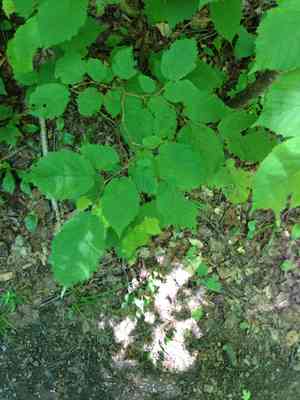
The Beaked hazelnut (Corylus cornuta) is a robust plant native to North America, capable of enduring cold winters and frost. Being labeled 'frost-hardy' signifies its ability to withstand temperatures significantly below freezing, making it a resilient choice for gardens in colder climates. However, despite its toughness, specific care practices are necessary to ensure optimal growth and survival through severe winters.
Overwintering Preparation for Beaked hazelnut
Trimming and Tidying
Pruning your Beaked hazelnut is vital for its winter readiness. Begin by removing any dead or diseased branches to prevent pests and pathogens from surviving winter within the plant. Cut back any overgrown branches to maintain a manageable size and shape, which can help reduce wind damage during storms. Use sharp, clean pruning shears for precise cuts, promoting better healing and reducing infection risk.
Mulching Advice
Applying a layer of mulch around the base of your Beaked hazelnut can significantly aid its winter survival. Mulch acts as an insulator, safeguarding the roots from extreme temperature fluctuations. Spread approximately 5-10 centimeters (2-4 inches) of organic mulch, such as wood chips or pine needles, around the plant's base. Ensure the mulch does not directly touch the trunk to prevent rot.
Irrigation Strategies
Proper watering before winter is crucial to help Beaked hazelnut endure the cold. Gradually decrease watering frequency as temperatures drop, but ensure the plant receives a thorough watering before the ground freezes. This practice helps keep the roots hydrated and provides a moisture reserve during the dormant winter months.
Pest Protection
Pests can be a significant issue even in winter, as some insects lay eggs or larvae that can overwinter in plant debris. Clear away fallen leaves and other plant material around your Beaked hazelnut to minimize risk. Consider using natural pest deterrents or barriers, such as diatomaceous earth or horticultural oils, to protect your plant. Additionally, wrapping the trunk with a tree guard can help prevent damage from rodents and other small animals.
Monitoring Beaked hazelnut During Winter
Checking Mulch and Soil
Throughout the winter months, regularly inspect the mulch and soil surrounding your Beaked hazelnut. Ensure the mulch remains in place and has not been displaced by wind or wildlife. Periodically check the soil moisture to ensure it hasn't become too dry, especially during periods of minimal snow cover. Add more mulch if needed to maintain its insulating layer.
Assessing Plant Vigor
Regularly inspecting your Beaked hazelnut for signs of health is crucial during winter. Look for any visible damage to branches or indications of disease. Healthy branches should remain pliable and show no signs of cracking or brittleness. If you notice any issues, act quickly to prevent them from worsening. Prune away damaged areas and treat any visible disease symptoms promptly.
Addressing Stress in Beaked hazelnut
Identifying Stress Indicators
Recognizing stress symptoms in your Beaked hazelnut can help you take timely action to prevent further damage. Look for signs such as wilting, unusual leaf discoloration, or bark splitting. These symptoms may indicate issues like frost damage, dehydration, or pest problems.
Immediate Care Actions
If you observe that your Beaked hazelnut is exhibiting signs of stress, implement immediate care measures. Move snow around the plant's base to help insulate and provide moisture as it melts. If branches show signs of severe frost damage, prune them back to healthy wood. Apply a protective wrap or burlap around the plant to shield it from further exposure to harsh conditions, and consider using anti-desiccant sprays to protect against drying winds.



