How to Overwinter Lemon-scented gum
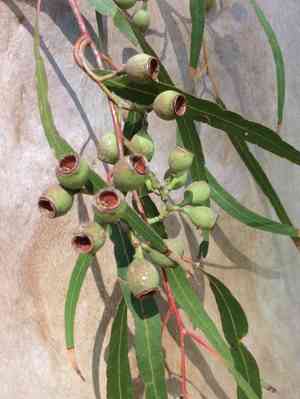
1
Lemon-scented gum is delicate and requires safeguarding in chilly regions.
2
Optimal indoor temperatures for wintering are typically 18-24°C (64-75°F).
3
Frequent checks aid in avoiding cold-season problems such as insects and root decay.
Why is Overwintering Essential for Lemon-scented gum?
Why is Overwintering Essential for Lemon-scented gum?
The Lemon-scented gum is a lovely, fragrant plant known for its distinct lemon-scented foliage. Originating from warmer regions, it is delicate and cannot endure harsh winter conditions, especially where temperatures fall below freezing. Protecting this plant through winter is crucial for its health and longevity. By taking appropriate steps to shield it from the cold, you can enjoy this delightful plant year after year.
How to Prepare Lemon-scented gum for Winter
Checking the Plant for Pests
Before bringing your Lemon-scented gum indoors, thoroughly examine it for pests. Common invaders like aphids, spider mites, and whiteflies can hitch a ride and infest your indoor plants. Use a magnifying glass to inspect under leaves and along the stem. If pests are found, treat the plant with a suitable insecticidal soap or neem oil.
Trimming and Shaping
Pruning your Lemon-scented gum before winter is vital to maintain its form and remove any unhealthy or dead parts. Cut back any leggy growth and focus on keeping the plant compact. This not only helps manage its size indoors but also promotes better air circulation, reducing the chance of mold and disease.
Soil and Root Maintenance
Ensure the soil drains well and is free from compacted materials. If the plant is root-bound, consider repotting it into a slightly larger container with fresh potting mix. Healthy roots are critical for the plant's overall well-being, especially when it experiences the stress of being moved indoors.
Indoor Overwintering Methods for Lemon-scented gum
Selecting the Correct Indoor Spot
Choose a bright, sunny indoor location for your Lemon-scented gum. A south-facing window is ideal as it provides maximum sunlight during shorter winter days. Ensure the spot is free from drafts and not near heating vents or radiators that could cause temperature fluctuations.
Ensuring Sufficient Illumination
If natural light is inadequate, supplement with grow lights. Use full-spectrum LED grow lights and position them approximately 30-45 cm (12-18 inches) above the plant. Keep the lights on for about 12-14 hours daily to mimic the natural light cycle.
Temperature and Humidity Management
Maintain indoor temperatures between 18-24°C (64-75°F). Lemon-scented gum prefers moderate humidity levels, so consider using a humidifier if your indoor air is too dry. Aim for humidity levels around 40-50% to keep the plant content.
Outdoor Overwintering Strategies for Lemon-scented gum
Insulating the Plant
If you must leave your Lemon-scented gum outdoors, insulate it by wrapping the trunk with burlap or frost cloth. This extra layer will protect the plant from frost and cold winds.
Utilizing Frost Cloths and Blankets
Cover the entire plant with frost cloths or blankets during particularly cold nights. Secure the coverings to prevent them from blowing away. Be sure to remove the coverings during the day when temperatures rise to allow the plant to breathe.
Mulching for Root Protection
Apply a thick layer of mulch around the base of the plant to insulate the roots. Aim for about 5-7.5 cm (2-3 inches) of mulch. This helps maintain a stable temperature around the root zone and prevents the soil from freezing.
Monitoring Lemon-scented gum During Winter
Regular Inspections
Routinely check your Lemon-scented gum for any signs of stress or pest infestation. Look for yellowing leaves, spots, or any unusual changes. Early detection of issues will allow you to address them before they become severe.
Addressing Common Winter Problems
Common winter issues include leaf drop, yellowing leaves, or pest outbreaks. If you notice leaf drop, it could be due to low humidity or improper lighting. Adjusting the environment and providing adequate care can remedy these issues. For pest issues, continue to use insecticidal soaps or neem oil as needed.
Watering and Feeding Recommendations
Water the plant sparingly during winter, as its growth slows down. Allow the top 2.5 cm (1 inch) of soil to dry out between waterings. Overwatering can lead to root rot, a common issue during the colder months. Additionally, reduce feeding the plant, as it does not require as many nutrients during its dormant period.



