How to Overwinter Bleeding Heart
1
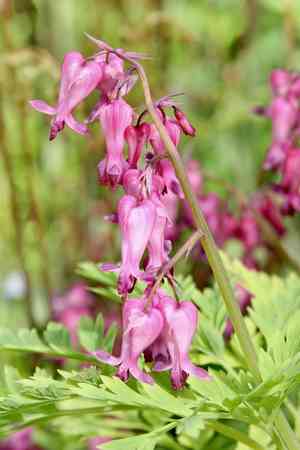
The Bleeding Heart plant is resilient and tolerates freezing temperatures.
2
Bleeding Heart plants need particular attention, including trimming, applying mulch, and adequate watering to flourish during winter.
3
Anticipate fresh growth in Bleeding Heart plants during early spring as temperatures begin to climb.
Why Bleeding Heart Withstands Frost
Why Bleeding Heart Withstands Frost
The Bleeding Heart plant, recognized for its delicate, heart-shaped blooms, exhibits surprising resilience against frost. This robustness primarily stems from the plant's structure and its capacity to enter dormancy during colder periods. While its foliage may perish, the roots remain safeguarded underground, enabling the plant to recover once temperatures begin to rise.
Winter Preparation for Bleeding Heart
Trimming and Tidying
As winter approaches, it's vital to prune your Bleeding Heart plant. Cut back any dead or yellowing leaves to deter disease and pests. This not only aids in maintaining the plant's health but also keeps your garden tidy. Utilize clean, sharp pruning shears for precise cuts, minimizing the chance of infection.
Mulching for Defense
Mulching is a critical step in readying your Bleeding Heart for winter. Apply a 5-10 cm (2-4 inch) layer of mulch around the plant's base. This helps insulate the roots from freezing temperatures and retains soil moisture. Organic materials such as straw, leaves, or wood chips are ideal for mulching.
Watering Requirements
As you prepare for winter, it's essential to adequately water your Bleeding Heart. Before the ground freezes, ensure the soil is moist but not saturated. This assists the plant in coping with dry winter air. However, be careful not to overwater, as this can lead to root rot, especially in colder conditions.
Common Issues During Bleeding Heart Overwintering
Preventing Root Rot
Root rot is a frequent problem in winter if the soil stays too wet. Ensure your Bleeding Heart plant is in well-draining soil, and avoid excessive watering. Incorporating perlite or sand into the soil can enhance drainage and lessen the risk of root rot.
Pest Management
During winter, pests like slugs and snails might seek shelter in the mulch surrounding your Bleeding Heart plant. Regularly inspect for pests and remove them promptly. Employing pest control methods such as diatomaceous earth or natural predators can also help keep these invaders at bay.
Frost Damage
Even though Bleeding Heart plants are frost-hardy, severe frost can still cause harm. Cover the plants with frost cloth or burlap during particularly cold nights to provide additional protection. This simple measure can prevent frost from damaging the delicate parts of your plant.



