How to Overwinter Japanese persimmon
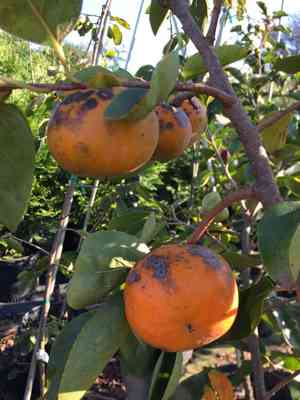
1
Japanese persimmon trees are resilient and can withstand temperatures as low as -10°C (14°F).
2
Trim your Japanese persimmon in late winter or early spring prior to the emergence of new growth.
3
Apply a thick layer of mulch around the trunk's base to aid in moisture retention and offer protection from cold.
Why Overwintering Japanese persimmon is Important?
Why Overwintering Japanese persimmon is Important?
Protecting your Japanese persimmon during winter is vital for its well-being and ongoing fruit production. While Japanese persimmons are resilient, extreme cold and frost can harm the tree's roots, bark, and branches. Proper winterization safeguards the tree from these harsh conditions, enabling it to flourish and yield abundant harvests annually. Without adequate winter preparation, you risk reduced fruit output and even permanent damage to the tree.
How to Prepare Japanese persimmon for Winter?
Pruning Tips
Pruning your Japanese persimmon involves removing dead, diseased, or damaged branches. This helps decrease vulnerability to winter injury and simplifies tree management in spring. Perform this pruning in late winter or very early spring, just before new growth begins. Remember to use sharp, sanitized tools for clean cuts and to prevent disease spread.
Soil and Mulching
Apply a thick layer of organic mulch (approximately 5-10 cm or 2-4 inches) around the base of your Japanese persimmon, extending to the tree's drip line. Mulch aids in retaining soil moisture, moderating soil temperature, and providing extra insulation against cold. Use materials like wood chips, straw, or compost for the mulch layer. However, keep the mulch a few centimeters (inch) away from the trunk to prevent rot.
Watering Schedule
In late autumn, deeply water your Japanese persimmon before the ground freezes. This ensures the tree has sufficient moisture to endure the winter months when water absorption is limited. While you should decrease watering frequency during winter, ensure you provide water during dry winter periods, especially if the weather is particularly severe.
How to Protect Japanese persimmon from Frost?
Using Frost Covers
Frost covers, also known as frost cloths or blankets, are designed to shield your Japanese persimmon from freezing temperatures and frost damage. Drape the frost cover over your tree in the late afternoon to retain accumulated warmth and remove it in the morning after the risk of frost has passed. Ensure the cover is secured but does not directly touch the tree, which can cause ice to form on the branches.
Indoor Sheltering Options
For smaller Japanese persimmon trees or potted varieties, consider providing shelter by moving them indoors or into a greenhouse during peak winter months. Ensure the indoor environment receives ample sunlight and maintains stable, moderate temperatures. If relocating the tree is not feasible, consider constructing a shelter around the tree using stakes and polyethylene sheeting.
Common Issues During Overwintering of Japanese persimmon
Pest Control
Winter months may have less pest activity, but your Japanese persimmon can still be vulnerable to dormant pests and eggs. Before winter, inspect the tree for pests such as scale, aphids, or borers. Use horticultural oil sprays formulated for winter application to smother any overwintering pests and their eggs.
Diseases to Watch Out For
Canker and root rot are common diseases to monitor during winter. Ensure proper drainage around the tree to prevent waterlogging and root rot. Regularly inspect the trunk and branches for signs of cankers or fungal infections and promptly prune out affected areas. Applying a protective fungicidal spray during late fall can also help minimize risks.
What to Do After Winter for Japanese persimmon?
Gradual Reintroduction to Outdoors
As winter subsides and temperatures begin to rise, gradually reintroduce your Japanese persimmon to the outdoor environment. Start by removing frost covers and allowing the tree to acclimate to the milder weather. If you've brought the tree indoors or sheltered it, slowly transition it back outside to prevent shock.
Spring Care Tips
Spring care involves nourishing your Japanese persimmon with a balanced fertilizer to encourage new growth. Assess the tree for any winter damage and prune dead or damaged branches. Maintain a consistent watering schedule and begin preparing for the upcoming growing season by ensuring the soil remains nutrient-rich and well-draining.



