How to Overwinter Purple coneflower
1
Purple coneflower 3-9 thrives in USDA zones 3-9, indicating its adaptability to diverse environmental conditions.
2
Bringing Purple coneflower indoors for winter can safeguard it from freezing temperatures and promote robust growth in the spring.
3
Applying an adequate layer of mulch can shield Purple coneflower's roots, guarding them against severe cold during winter.
Understanding Purple coneflower Frost Hardiness
Understanding Purple coneflower Frost Hardiness
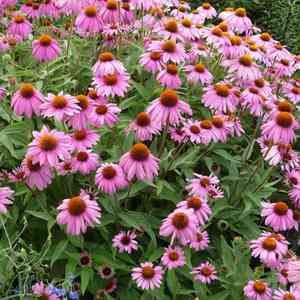
The Purple coneflower is a robust perennial recognized for its striking purple petals and central cone. This plant thrives in USDA zones 3-9, indicating its ability to endure significant frost and cold. However, comprehending its frost tolerance is vital for its winter survival. While the plant withstands low temperatures, providing adequate protection can avert frost damage and encourage vigorous reblooming in spring.
Steps to Overwinter Purple coneflower Outdoors
Pruning and Cleaning the Plant
One of the initial steps in preparing your Purple coneflower for winter involves pruning. Trim the stems to approximately 15-20 cm (6-8 inches) above the ground. Removing old, dead foliage helps deter disease and ensures the plant directs its energy towards root development during colder months. Clear away any fallen leaves and debris surrounding the plant to minimize issues with pests and diseases.
Mulching to Protect the Roots
Mulching is crucial for insulating the roots of Purple coneflower. Apply a layer of mulch, about 5-7.5 cm (2-3 inches) thick, around the plant's base. Utilize organic materials such as straw, leaves, or wood chips. Mulching not only shields the roots from extreme cold but also aids in retaining soil moisture. Ensure the mulch does not directly touch the stems to prevent rot.
Minimizing Watering During Winter
During winter, the Purple coneflower requires minimal irrigation. Excessive watering can lead to root rot, particularly when the soil frequently freezes and thaws. Water the plant sparingly, only when the soil feels dry to the touch. This approach helps prevent root damage while maintaining appropriate moisture levels.
Advantages of Overwintering Purple coneflower Indoors
Selecting the Right Pot and Soil
If you opt to overwinter your Purple coneflower indoors, select a well-draining pot with a diameter of at least 30 cm (12 inches). The pot must have drainage holes to prevent waterlogging. Use a high-quality potting mix that retains moisture yet drains effectively. Incorporating perlite or sand into the mix can enhance drainage.
Creating the Ideal Indoor Environment
Indoor overwintering necessitates establishing a suitable environment that mimics the plant's natural habitat. Position the pot in a cool room with temperatures ranging from 0-10°C (32-50°F). Ensure the plant receives bright, indirect light. Maintain moderate humidity levels to avoid excessive moisture, which can lead to fungal problems.
Watering and Maintenance Tips
Indoors, the Purple coneflower needs careful watering. Irrigate the plant when the top 2.5 cm (1 inch) of soil is dry. Avoid overwatering, and ensure any excess water drains away to prevent root rot. Regularly check for pests like aphids and spider mites and treat them promptly with insecticidal soap if necessary. Provide occasional air circulation to deter fungal diseases.
Common Issues When Overwintering Purple coneflower
Handling Pest Problems
Pests can be an issue whether you overwinter your Purple coneflower indoors or outdoors. Common pests include aphids, spider mites, and caterpillars. Inspect your plant frequently, and at the first sign of infestation, treat with appropriate insecticidal soap or neem oil. For outdoor plants, natural predators like ladybugs can also assist in controlling pest populations.
Preventing and Addressing Disease
Diseases such as powdery mildew and root rot can impact the Purple coneflower, especially if conditions are too damp. Ensure good air circulation around the plant and avoid overcrowding. Water the plant at its base rather than from above to prevent fungal growth. Remove any diseased foliage immediately to stop the problem from spreading.
Dealing with Unexpected Frosts
Unforeseen frosts can pose a threat to your Purple coneflower. If frost is predicted after you have pruned and mulched, consider adding an additional layer of mulch or using frost blankets to cover the plant. For plants overwintered indoors, ensure they remain in a stable, frost-free environment.



