How to Overwinter Aspen Fleabane
1
Aspen Fleabane withstands cold winter conditions, indicating its frost resistance.
2
Applying mulch to Aspen Fleabane provides insulation and aids in soil moisture retention.
3
During winter, inspect Aspen Fleabane for common pests like aphids and spider mites.
Understanding the Frost Hardiness of Aspen Fleabane
Understanding the Frost Hardiness of Aspen Fleabane
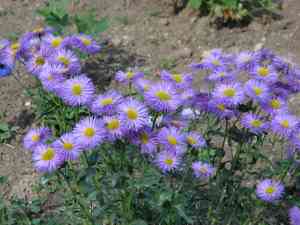
Aspen Fleabane, a robust perennial originating from North America, is well-equipped to endure low temperatures. This attractive flowering plant can withstand frost, making it suitable for diverse climates, including those with severe winters. Its frost tolerance ensures survival in snowy conditions without significant harm. However, extra care and preparation are crucial to guarantee the plant flourishes and maintains its vibrant growth come spring.
Preparing Aspen Fleabane for Winter
When to Start Preparing
Initiate winter preparations for your Aspen Fleabane as autumn approaches, typically late September to early October. It's essential to begin before the initial frost. This allows the plant to gradually adjust to colder weather. Early preparation ensures the plant's roots and base are well-protected from winter's chill.
Essential Tools and Materials
To overwinter Aspen Fleabane, you'll need several key items: Mulch (e.g., straw, shredded bark, or compost) Pruning shears Watering can or hose Pest control measures (such as insecticidal soap) Having these tools readily available will streamline the preparation process and ensure your plant is adequately protected throughout the colder months.
How Do You Mulch Aspen Fleabane for Winter?
Types of Mulch
Choosing the correct mulch is vital for effective winter protection. Organic mulches, such as straw, shredded bark, or compost, are excellent choices for Aspen Fleabane. These materials break down over time, enriching the soil and providing additional nutrients. Avoid mulches that retain excessive moisture, as this can lead to root rot.
Proper Mulching Techniques
Apply a 5-10 cm (2-4 inches) thick layer of mulch around the plant's base, extending outward to fully cover the root zone. Ensure the mulch is evenly spread and not piled against the plant's stem, which could cause decay. This layer acts as an insulating blanket, shielding roots from freezing temperatures and moderating soil temperature fluctuations.
Watering Aspen Fleabane During Winter
Importance of Moisture
Maintaining appropriate moisture levels is critical for Aspen Fleabane. Dry soil can stress the plant, hindering its ability to survive winter. Adequate watering before the ground freezes helps ensure roots have sufficient moisture for dormancy. However, avoid overwatering to prevent root rot.
How Often to Water
Water Aspen Fleabane deeply once a week during late fall, ensuring the soil remains moist but not waterlogged. As winter sets in and temperatures drop, decrease watering frequency. Be mindful of natural precipitation; if your area receives ample rainfall or snow, additional watering may not be necessary.
Preventing Pests and Diseases in Winter
Common Winter Pests
Despite the cold, pests like aphids and spider mites can still threaten Aspen Fleabane during winter. These pests often seek refuge in mulch or plant debris and can cause damage if not managed properly. Regularly inspecting your plant and its surroundings can help detect infestations early.
Preventative Measures
To prevent pest infestations, keep the area around your Aspen Fleabane clean and free of debris. Applying a layer of diatomaceous earth around the base can deter crawling insects. Additionally, consider using insecticidal soaps or natural pest repellents if you notice any signs of pests. Regular monitoring and prompt action can keep your plant healthy throughout the winter.
Post-Winter Care for Aspen Fleabane
When to Remove Mulch
As temperatures begin to rise and the last frost date has passed, typically late March to early April, start removing the mulch from around your Aspen Fleabane. Gradually reduce the layer, allowing the plant to adjust to warmer temperatures. Abrupt removal can shock the plant and impede its spring growth.
First Steps in Spring
Once the mulch is removed, check the plant for any signs of damage or disease. Prune any dead or damaged stems to encourage new growth. Begin a regular watering schedule and consider applying a balanced fertilizer to give your Aspen Fleabane a nutrient boost as it enters the growing season. With proper care, your plant will reward you with beautiful blooms throughout the year.



