How to Overwinter Evergreen spindle
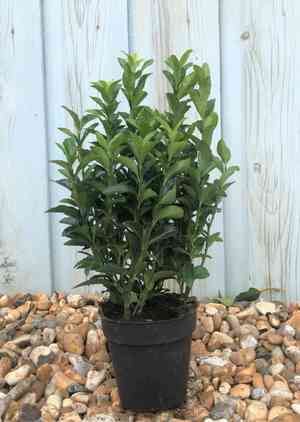
1
Evergreen spindle is resilient and tolerates minor frost, yet requires safeguarding in severe cold.
2
Trimming Evergreen spindle prior to winter aids in energy preservation and overall well-being.
3
Adequate mulching at the base assists in maintaining soil hydration and shielding roots from low temperatures.
Optimal Winter Conditions for Evergreen spindle
Optimal Winter Conditions for Evergreen spindle
As winter approaches, Evergreen spindleâan appealing, resilient shrub suitable for both garden settings and container cultivationârequires specific care to flourish. While it tolerates frost, understanding its ideal winter environment is crucial to ensure its health and vibrancy throughout the colder months. Generally, temperatures slightly above freezing, around 1-4 degrees Celsius (34-39 degrees Fahrenheit), are appropriate. The plant prefers moderate humidity and well-drained soil to prevent waterlogging, which can lead to root rot. Sufficient indirect sunlight is also vital, as this plant remains evergreen and continues photosynthesis even in winter.
Preparing Evergreen spindle for Winter
Trimming and Cleaning
Start by trimming any dead or damaged branches to promote healthier growth and prevent diseases from establishing during winter. Cutting back about 25-30% of the shrub helps it stay compact and conserve energy. Cleaning the plant by removing fallen leaves and debris from its base stops lingering pests or diseases from taking hold in colder periods.
Pre-Winter Watering Needs
As winter nears, decrease the frequency of watering Evergreen spindle, but ensure it stays adequately hydrated. Water thoroughly in the autumn months leading up to winter, as this helps the plant store moisture in its roots. During winter, water sparingly; the plant's needs drop considerably. Monitor soil moisture, aiming for slightly damp conditions rather than completely dry or waterlogged.
Soil and Mulching
To shield the roots from freezing temperatures, apply a layer of organic mulchâsuch as leaves, straw, or compostâaround the base of the Evergreen spindle. Approximately 5-7.5 cm (2-3 inches) of mulch will insulate the roots and maintain soil moisture, significantly boosting the plant's ability to endure cold snaps. The mulch will also enhance soil quality as it breaks down, providing essential nutrients for the shrub.
Protecting Evergreen spindle from Severe Cold
Using Covers and Barriers
In areas where temperatures drop significantly below freezing, consider using horticultural fleece or burlap to cover the Evergreen spindle. Construct simple frames using stakes or an A-frame covered with fabric to shield the plant from frost. This acts as a barrier against cold winds and retains some warmth around the plant, creating a more stable microenvironment.
Placement and Windbreaks
If your Evergreen spindle is in a pot or container, consider relocating it to a more sheltered spot, such as near the house or in a garage, for added protection. For plants in the ground, installing windbreaksâwalls, fences, or even strategically placed larger shrubsâcan help protect them from harsh winds that deplete moisture and cause frost damage.
Common Winter Issues for Evergreen spindle
Addressing Frost Damage
Despite your best efforts, frost damage can sometimes occur. Look for signs such as blackened leaves or stems and brittle, discolored branches. If you observe these, prune back the affected areas after the last frost to encourage new, healthy growth. Early spring is typically the optimal time for this restorative pruning.
Winter Pests and Diseases
Although winter isn't peak pest season, certain pests and diseases can still be a concern. Watch out for scale insects and aphids, which can cause significant harm. Regularly inspect the plant and use dormant oil or insecticidal soap if necessary. Removing any fallen leaves and debris around the plantâs base can also prevent fungal diseases from taking hold.



