How to Overwinter American beech
1
The American beech tree is resilient and can withstand winter temperatures down to -28°C (-18°F).
2
Applying mulch around the American beech's base aids in retaining soil moisture and offers insulation throughout the winter.
3
Strategic pruning prior to winter's arrival can avert harm from substantial snow and ice buildup.
What Makes American beech Hardy?
What Makes American beech Hardy?
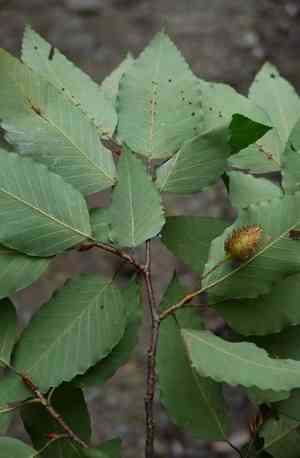
The American beech (Fagus grandifolia) is a robust and resilient tree native to North America. It is classified as a hardy tree, capable of withstanding severe winter conditions. This resilience is partly due to its deep root system, which allows it to access water and nutrients even in frozen soil. Additionally, the American beech has thick, smooth bark that provides a protective barrier against cold temperatures and frost.
Preparation Steps for Overwintering American beech
Inspecting and Pruning
Before winter arrives, itâs essential to inspect your American beech for any signs of diseased or damaged branches. Pruning these branches helps to reduce the risk of heavy snow and ice causing breakage. Use clean, sharp tools to make precise cuts, and focus on removing any dead or weak limbs. Pruning should be done in late fall, allowing the tree to go dormant and heal properly before the harshest weather hits.
Mulching Techniques
Applying a layer of mulch around the base of the American beech is a crucial step in winter preparation. Mulch acts as an insulator, helping to maintain soil temperature and moisture levels. Use organic materials such as wood chips, straw, or compost, and spread a layer about 5-10 cm (2-4 inches) thick. Ensure that the mulch doesnât touch the trunk directly, as this can cause rot.
Watering Needs
Proper hydration is vital for the American beech as it heads into winter. In late fall, give the tree a deep watering before the ground freezes. This ensures that the root system remains hydrated during the dormant season. Water at the base, soaking the soil thoroughly to a depth of 30-45 cm (12-18 inches). Avoid over-watering as it can lead to root rot, especially when the soil starts to freeze.
Recognizing and Handling Winter Damage to American beech
Identifying Frost Damage
Frost damage can be identified by blackened, wilted leaves and twigs, which are often more apparent after a thaw. In severe cases, cracks may appear in the bark, and branches may die back. Regularly inspect your American beech throughout the winter for these signs, particularly after periods of extreme cold.
Steps to Repair Frost Damage
If your American beech suffers frost damage, there are several steps you can take to repair it. Prune damaged branches back to healthy tissue once the risk of further frost has passed, usually in late winter or early spring. Apply a balanced fertilizer in spring to encourage new growth and support recovery. Monitor the tree for signs of pests or diseases, as damaged trees are more susceptible to infestations.



