How to Overwinter Blue fescue
1
Blue fescue tolerates cold temperatures well, allowing it to thrive in diverse environments.
2
Trim Blue fescue prior to winter to preserve its form and vitality.
3
Applying mulch aids in protecting Blue fescue's root system through severe cold periods.
What is Blue fescue?
What is Blue fescue?
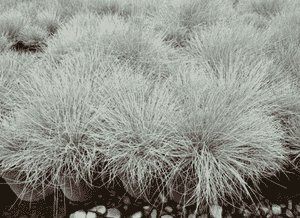
Blue fescue is an attractive, compact decorative grass recognized for its striking blue-gray leaves. It's frequently utilized in garden borders, rock gardens, and as ground cover. Originating from Europe, Blue fescue thrives in well-drained earth and can endure both heat and cold, classifying it as a frost-hardy plant. Its clumping growth habit makes it an excellent option for adding texture and color contrast in garden landscapes. While Blue fescue requires relatively little upkeep, preparing it for winter guarantees its year-round health and vibrancy.
Preparing Blue fescue for Winter
When to Start Winter Preparation
Begin getting your Blue fescue ready for winter in late autumn, typically around October or November. Monitor weather forecasts and start when nighttime temperatures consistently fall to approximately 7°C (45°F). This timing helps the plant gradually adapt to colder conditions.
Inspecting the Plant
Start by thoroughly examining your Blue fescue. Look for any indications of disease, pest infestations, or damage. Healthy plants are better equipped to withstand winter stress, so addressing issues early is vital. Remove any unhealthy or dead foliage to help the plant conserve energy for root and stem health throughout the winter months.
Pruning and Cleaning
Pruning Blue fescue is essential as it promotes new growth and maintains a tidy look. Cut back any dead or damaged leaves using clean, sharp pruning shears, trimming to about 2.5 cm (1 inch) above the soil level. Clear away any debris around the plant to prevent pests and diseases from finding a winter refuge.
How to Protect Blue fescue in Frost
Mulching for Insulation
Apply a layer of mulch around the base of your Blue fescue to provide insulation for its roots. Use organic materials such as straw, shredded leaves, or wood chips. Aim for a mulch layer approximately 5-7.5 cm (2-3 inches) thick, but be careful not to pile it directly against the plant's crown, as this can lead to rot.
Using Covers and Shields
For additional protection, cover your Blue fescue with burlap or a frost cloth during severe cold snaps. These covers act as barriers against harsh winds and frost. Install stakes around the plant to drape the cover without crushing the foliage, ensuring sufficient ventilation to prevent mold growth.
Watering Schedule
Water your Blue fescue thoroughly before the ground freezes, typically in late fall. Proper hydration helps the plant endure winter dryness. However, avoid overwatering as waterlogged soil can lead to root rot. Aim to keep the soil consistently moist but not saturated.
Common Overwintering Problems for Blue fescue
Root Rot and Drainage Issues
Root rot is a common problem during winter due to inadequate drainage. Ensure that your Blue fescue is planted in well-draining soil. If you notice water pooling around the plant, consider improving soil drainage with amendments like sand or compost. Raised beds can also help prevent waterlogging.
Pest and Disease Management
Winter can sometimes bring unexpected pest issues. Check your Blue fescue periodically for signs of pests such as aphids or spider mites. Treat infestations promptly with organic insecticidal soap or neem oil. Ensure good air circulation around the plant to reduce humidity and deter fungal diseases.
Reviving Blue fescue After Winter
Spring Inspection
Once winter has passed, conduct a thorough spring inspection of your Blue fescue. Look for any signs of damage, frostbite, or disease that may have occurred during the winter. Remove any damaged or dead foliage to make way for new growth.
Pruning Dead Foliage
Pruning is crucial for revitalizing your Blue fescue after winter. Trim away any dead or brown leaves that failed to survive the winter. Pruning encourages healthy new shoots and helps maintain the plant's overall shape and appearance.
Feeding and Nutrient Management
After pruning, feed your Blue fescue with a balanced, slow-release fertilizer. Follow the manufacturer's instructions regarding application rates. Avoid over-fertilizing, as excess nutrients can harm the plant. Consistent feeding promotes vigorous growth and helps the plant recover from winter stress.



