How to Overwinter Fiddle-leaf fig
1
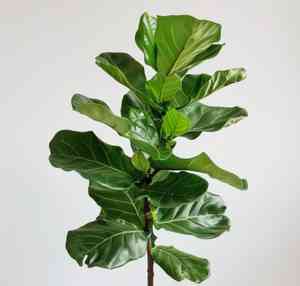
The Fiddle-leaf fig plant comes from West Africa and flourishes in warm, moist environments.
2
Ensure an indoor temperature between 18-24°C (65-75°F) for best growth.
3
A frequent error in winter is excessive watering; always verify soil dampness prior to irrigation.
Why Overwintering is Essential for Fiddle-leaf fig
Why Overwintering is Essential for Fiddle-leaf fig
Overwintering your Fiddle-leaf fig is vital to ensure its health and vigor throughout colder months, especially since this plant is sensitive to frost and cannot endure temperatures below 10°C (50°F). By preparing and caring for your plant during winter, you can shield it from environmental stresses like low humidity, reduced light, and drafts, all of which can negatively impact its well-being.
Preparing Your Fiddle-leaf fig for Winter Indoors
Inspecting for Pests and Diseases
Before moving your Fiddle-leaf fig indoors for winter, thoroughly check it for any signs of pests such as spider mites, aphids, or scale. These pests can flourish in warmer indoor conditions and might spread to other houseplants. Use a magnifying glass if needed, and treat any infestations promptly with insecticidal soap or neem oil.
Cleaning the Leaves
Cleaning your Fiddle-leaf fig's leaves helps them photosynthesize more effectively, which is especially important during the low-light winter months. Use a soft, damp cloth to gently wipe the leaves, removing any dust or debris. This also provides another chance to check for pests and diseases.
Pruning and Trimming Back
Pruning and trimming your Fiddle-leaf fig is an effective way to encourage healthy growth and remove any damaged or dead leaves. Using clean, sharp shears, trim back any leggy growth and remove yellow or brown leaves. This helps the plant focus its energy on maintaining healthy and strong foliage throughout the winter.
Optimal Indoor Conditions for Overwintering
Ideal Temperature Range
The Fiddle-leaf fig thrives in temperatures between 18-24°C (65-75°F). Itâs crucial to keep your plant away from cold drafts from windows and doors, as well as direct heat sources like radiators and heaters, which can cause sudden temperature shifts.
Humidity Control
Maintaining proper humidity is essential for your Fiddle-leaf fig, particularly as indoor air can become dry in winter. Aim for humidity around 40-60%. You can use a humidifier, place a shallow tray with water and pebbles near the plant, or regularly mist the leaves to keep humidity levels in check.
Light Requirements
Fiddle-leaf figs need bright, indirect light to flourish. During winter, when daylight hours are shorter, position your plant near a south-facing window to maximize light exposure. If natural light is insufficient, consider using a grow light to supplement and provide consistent illumination.
Common Problems and Solutions During Overwintering
Leaf Drop
It's normal for Fiddle-leaf figs to shed a few leaves in response to environmental changes. If leaf drop becomes excessive, it could signal issues with watering, light, or temperature. Adjust these conditions accordingly to reduce stress on your plant.
Brown Spots on Leaves
Brown spots can appear due to inconsistent watering, low humidity, or temperature fluctuations. Ensure the plant is not overwatered and that humidity levels are adequate. Also, maintain a stable temperature environment for the plant.
Pest Infestations
Pests can be more active indoors during winter. Regularly inspect your Fiddle-leaf fig and use natural remedies like neem oil or insecticidal soap at the first sign of an infestation. Keeping the plant's environment clean and humid can help deter pests.



