How to Overwinter Carolina buckthorn
1
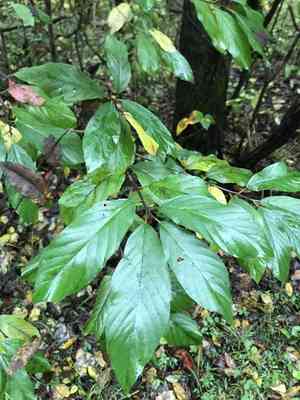
Carolina buckthorn tolerates temperatures down to -30°C (-22°F).
2
Applying mulch around the Carolina buckthorn's base aids in moisture retention and temperature control.
3
Pre-winter pruning improves the Carolina buckthorn's general well-being and hardiness.
What Makes Carolina buckthorn Frost Hardy?
What Makes Carolina buckthorn Frost Hardy?
Carolina buckthorn is a robust, adaptable deciduous shrub known for its ability to thrive in diverse climates. Its resistance to frost stems from several attributes. Firstly, the plant possesses a deep root system that firmly anchors it, allowing access to moisture and nutrients even in harsh winter conditions. Secondly, its sturdy stems can endure low temperatures without significant harm. Carolina buckthorn typically tolerates temperatures down to -30°C (-22°F), making it a strong choice for colder regions. Furthermore, this plant enters a dormant state in winter, reducing metabolic activity and conserving energy. Understanding these adaptive traits can boost your confidence in successfully overwintering Carolina buckthorn.
Preparing Carolina buckthorn for Winter
Pruning Guidelines
Pruning is a crucial step in preparing for winter. As autumn progresses, focus on removing dead or diseased wood to improve air circulation and lessen the risk of pest infestations. Trim any crossing branches to maintain a neat structure. Target branches that obstruct the main stems to direct the plant's energy efficiently. Prune the Carolina buckthorn in late fall, just before winter begins. This timing helps the plant recover quickly and face the colder months with minimal stress.
Soil and Mulching Advice
Ensuring your Carolina buckthorn has soil rich in organic matter is vital for its winter survival. Adding compost or well-rotted manure can boost soil fertility and enhance drainage. Mulching is another essential practice. Apply a thick layer of mulch (8-10 cm or 3-4 inches) around the plant's base, extending to the drip line. This mulch layer insulates, retaining soil moisture, and moderating temperature fluctuations. Organic mulches, such as wood chips, leaves, or straw, are excellent choices that decompose over time, further enriching the soil.
Watering Needs
Properly watering your Carolina buckthorn in the period leading up to winter is crucial. As temperatures drop, ensure the soil is well-hydrated, but not waterlogged. Moist soil retains warmth better than dry soil, offering additional protection to the plant's root system. In the weeks before frost, gradually reduce watering, but do not allow the soil to completely dry out. Maintaining adequate soil moisture (around 2.5 cm or 1 inch per week) helps the plant transition smoothly into dormancy.
Fertilization Tips
Fertilizing Carolina buckthorn in late autumn can provide essential nutrients that enable the plant to withstand winter stress. Use a balanced, slow-release fertilizer to prevent a flush of new growth that could be vulnerable to frost damage. Spread the fertilizer evenly around the root zone, ensuring it doesn't directly touch the trunk. This application supports the plantâs overall health and vigor, making it more resilient during the cold months.
Common Winter Problems for Carolina buckthorn
Pest and Disease Management
While cold weather reduces pest activity, preparing for potential winter pests is essential. Regularly inspect your Carolina buckthorn for signs of infestations such as scale insects, which can overwinter on the bark. Apply dormant oil sprays during late fall to control potential pest populations. Additionally, fungal diseases like powdery mildew can remain dormant but reappear in spring. Keeping the plant clean through proper pruning and applying fungicide treatments can lessen these risks.
Recognizing Frost Damage
Despite its resilience, Carolina buckthorn may show signs of frost damage, especially during extreme weather. Frost damage typically appears as blackened or wilted leaves, brittle stems, and cracked bark. It's crucial to identify these symptoms early to implement corrective action. Prune away any frost-damaged areas in late winter or early spring to prevent the spread of decay and encourage new growth.
Post-Winter Care for Carolina buckthorn
Assessing Plant Health
Once winter ends, evaluate your Carolina buckthorn's overall health. Look for new growth, as this is a positive sign of recovery. Examine the leaves and stems for any remaining damage or disease. Conduct a soil test to check nutrient levels and determine if additional amendments are needed. Healthy, green growth and robust stem strength indicate a successful overwintering process.
Reviving Damaged Plants
If your Carolina buckthorn has suffered winter damage, take steps to aid its recovery. Prune back severely damaged branches to stimulate new growth and improve the plant's appearance. Apply a balanced fertilizer in early spring to support rejuvenation. Ensure consistent watering as the weather warms, but avoid waterlogging the soil. With attentive care, your Carolina buckthorn should bounce back and thrive, reestablishing its lush greenery and vitality.



