How to Overwinter Bloody cranesbill
1
Geranium sanguineum exhibits excellent cold tolerance, enduring winter temperatures down to -28°C (-20°F).
2
Applying mulch is crucial for safeguarding the root system of Geranium sanguineum throughout the colder season.
3
Geranium sanguineum needs very little water in winter, approximately once every four weeks.
Winter Care for Bloody cranesbill
Winter Care for Bloody cranesbill
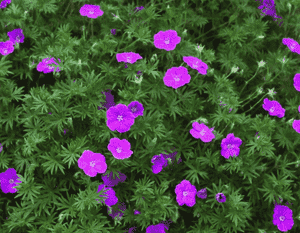
Bloody cranesbill is an outdoor perennial known for its toughness and vibrant pink to purple blooms. Naturally resistant to frost, this plant thrives in winter when given the right conditions. Understanding its winter behavior is key. As temperatures drop, Bloody cranesbill enters a dormant state, conserving energy until spring. However, this natural ability doesn't negate the need for proper care to ensure its survival through the cold months. Proactive winter care can lead to a healthier, more robust plant in the growing season.
Preparing Bloody cranesbill for Winter
Pruning Advice
Trimming Bloody cranesbill before winter is crucial. Begin by removing dead or dying stems and leaves, which can attract pests and diseases. Cut the plant back to approximately 5-7.5 cm (2-3 inches) from the ground. This promotes vigorous growth in spring and helps the plant conserve energy during dormancy. Always use clean, sharp tools for precise cuts to avoid damaging the plant.
Soil and Mulch
Soil preparation and mulching are essential for Bloody cranesbill to survive winter. Ensure the soil drains well to prevent waterlogging, which can cause root rot. Apply a 5-7.5 cm (2-3 inches) layer of organic mulch, such as straw or wood chips, around the plant's base to insulate the roots. This mulch layer stabilizes soil temperature and retains moisture, creating an ideal environment for the plant to endure the winter months.
Winter Care for Bloody cranesbill
Watering Needs
Bloody cranesbill requires minimal watering during its winter dormancy. Excessive watering can be harmful, leading to root rot. Water the plant lightly once a month, ensuring the soil is moist but not saturated. Check the soil moisture regularly, and only water if it becomes completely dry.
Light Requirements
Although Bloody cranesbill doesn't actively grow during winter, it benefits from indirect sunlight. If kept indoors, ensure it receives about 4-6 hours of light daily. For outdoor plants, winter sun is usually sufficient, but ensuring the plant isn't in complete shade can support its health.
Temperature Considerations
Bloody cranesbill is frost-hardy and can tolerate temperatures as low as -28°C (-20°F). However, it's important to protect the plant from harsh winds and extreme temperature fluctuations. If severe cold is anticipated, consider using a frost cloth or burlap to shield the plant. For indoor overwintering, keeping the plant in a cool, unheated room like a basement works well.
Common Winter Issues for Bloody cranesbill
Pest Problems
Even in winter, pests can threaten Bloody cranesbill. Look for signs of aphids, spider mites, or slugs. Regularly inspect the plant, and if pests are found, treat them promptly with appropriate methods, such as insecticidal soap or natural predators.
Diseases to Watch For
Winter moisture can lead to fungal diseases like powdery mildew or root rot in Bloody cranesbill. Ensure good air circulation and avoid waterlogging to prevent these issues. If a fungal infection is observed, trim affected parts and apply a fungicide to stop its spread.
Bringing Bloody cranesbill Back Outdoors
Timing the Transition
The best time to move Bloody cranesbill back outdoors is in early spring when the risk of frost has passed. Monitor local temperature forecasts to ensure night temperatures consistently stay above 10°C (50°F).
Gradual Acclimatization
To help Bloody cranesbill adjust to outdoor conditions, gradually introduce it to the environment. Start by placing the plant in a sheltered outdoor area for a few hours daily, increasing exposure over two weeks. This gradual process minimizes transplant shock and promotes vigorous spring growth.



