How to Overwinter Honey locust
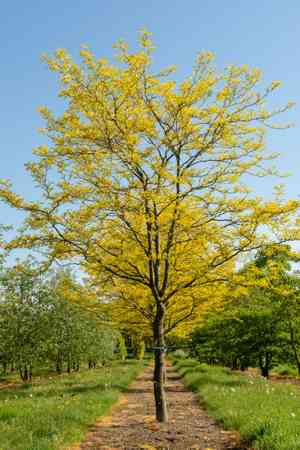
1
Honey locust trees tolerate cold well, but saplings require additional safeguarding.
2
Mulch provides soil insulation, keeping the root zone at a steady temperature.
3
Consistent irrigation prior to the initial frost is crucial for the tree's well-being through winter.
Understanding the Honey locust's Frost Hardiness
Understanding the Honey locust's Frost Hardiness
The Honey locust tree is renowned for its hardiness across diverse climates. It possesses frost tolerance, meaning it can endure colder temperatures, typically down to -29°C (-20°F). This adaptability makes the Honey locust a favored selection for both urban and rural settings. Despite its robustness, extra attention is vital, especially for younger or recently planted trees. Winter can be severe, and comprehending the Honey locustâs requirements during this season ensures its survival and flourishing.
Preparing Your Honey locust for Winter
When to Start Winter Preparations?
Initiating winter preparations for your Honey locust should commence in late autumn, usually around October to November, depending on your regional climate. As temperatures begin to fall, it's crucial to implement measures that will aid the tree's smooth transition into dormancy. Start by discontinuing any fertilization, as this could stimulate new growth susceptible to frost damage.
Soil and Mulching Tips
Mulching is an essential step in preparing your Honey locust for winter. Apply a 5-10 cm (2-4 inches) thick layer of organic mulch, such as shredded bark or leaf mold, around the tree's base, extending to the drip line. This serves as an insulating layer for the roots, helping to maintain a stable soil temperature. Ensure not to pile mulch directly against the trunk, as this can lead to decay.
Watering Guidelines
Adequate watering before winter is critical. Ensure your Honey locust receives thorough watering sessions throughout the fall. In regions with less precipitation, aim for approximately 25-50 liters (6.5-13 gallons) of water weekly. This guarantees the tree is well-hydrated before the ground freezes. Once the ground has frozen, you should cease watering until it thaws in the spring.
Protecting Young Honey locust Trees
Wrapping Trunks and Branches
For young Honey locust trees, taking additional steps to safeguard the trunks and branches is necessary. You can utilize tree wrap or burlap to shield the trunk from frost cracking and sunscald. Begin wrapping the trunk from the base up to the first set of branches. Ensure the wrap is snug but not overly tight, allowing for some air circulation.
Using Tree Guards
Tree guards help protect your young Honey locust from rodents and other small animals that might strip the bark during winter. Select guards made from a lightweight, durable material, and install them at the tree's base, extending up to cover the first meter (3 feet) of the trunk. This helps to deter pests without suffocating the tree.
Common Issues During Winter
How to Spot Frost Damage?
Frost damage can be a concern for Honey locust trees, especially younger ones. Look for discolored or brittle branches and cracks in the bark. These indicate that the tree is stressed by cold temperatures. Typically, you'll observe these issues in late winter or early spring when the weather begins to warm up.
Preventing Pest Problems
During winter, pests like voles and rabbits may seek refuge in the mulch around the tree and feed on the bark. To prevent this, regularly inspect the base of your Honey locust and consider using rodent repellents or barriers. Additionally, clear away any fallen debris or snow accumulation that might encourage pest activity.
Post-Winter Care for Honey locust
Pruning Dead or Damaged Wood
Once the risk of frost has passed, examine your Honey locust for any dead or damaged wood. Prune these branches to encourage new growth and maintain the tree's structure. Use clean, sharp pruning tools, and make cuts at a 45-degree angle just above a bud or branch junction.
Resuming Regular Watering and Feeding Schedules
As spring arrives, gradually reinstate your regular watering schedule. Aim to provide consistent moisture to the root zone, ensuring the soil is damp but not waterlogged. Begin feeding your Honey locust with a balanced fertilizer to support its recovery and growth after the winter dormancy.



