How to Overwinter Chameleon plant
1
Chameleon plant tolerates cold but thrives with winter care.
2
Begin winterizing your Chameleon plant prior to the initial frost.
3
Applying mulch is crucial for safeguarding roots from severe winter weather.
Understanding the Chameleon plant's Winter Needs
Understanding the Chameleon plant's Winter Needs
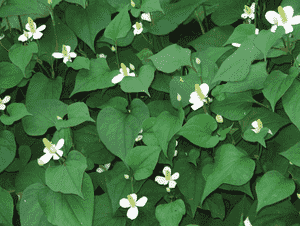
The Chameleon plant (Houttuynia cordata), with its heart-shaped leaves and vibrant colors, enhances any garden. It's a resilient perennial capable of enduring cold, making it ideal for cooler climates. However, to ensure your Chameleon plant thrives through winter, understanding its specific cold-weather requirements is crucial. This plant can survive frost but benefits from careful preparation to shield its foliage and root system from harm.
When to Start Preparing for Winter
Key Timing Indicators
Timing is vital when getting your Chameleon plant ready for winter. Begin preparations in early fall, well before the first anticipated frost in your region. Look for shorter days, cooler nights, and the start of autumn leaf changes as signals to commence. This timing allows the plant to gradually adapt to colder temperatures.
Climate Considerations
Your local climate significantly influences how early and intensely you need to prepare. For areas with mild winters, minimal intervention is required. However, in regions experiencing severe frost, heavy snowfall, or unpredictable weather, more robust protective measures are essential. Knowing your USDA hardiness zone can help estimate when to start the overwintering process.
How to Prepare Your Chameleon plant for Winter
Trimming and Pruning
Before winter arrives, it's advisable to trim and prune your Chameleon plant. Cut back any dead or decaying leaves and stems to tidy the plant and reduce disease risk. Trimming also helps the plant conserve energy as it enters dormancy. Aim to keep the plant neat but avoid excessive cuttingâ3 to 6 inches (7.6 to 15.2 cm) from the ground is a good guideline.
Mulching and Ground Cover
Mulching is among the most effective methods to protect your Chameleon plant's roots from cold damage. Apply a thick layer of mulch, approximately 2 to 4 inches (5 to 10 cm), around the plant's base. Use organic materials like straw, leaves, or wood chips. This layer acts as an insulating blanket, maintaining consistent soil temperature and safeguarding roots from freezing.
Watering Strategies
Hydration is essential, even as the weather cools. Ensure your Chameleon plant receives adequate water in the fall to keep it hydrated during its dormant period. Reduce watering as temperatures drop and the plant's growth slows, but avoid letting the soil completely dry out. A well-watered plant is better equipped to withstand winter stress.
Indoor vs. Outdoor Overwintering
Benefits of Indoor Overwintering
If you reside in an area with particularly harsh winters, consider moving your Chameleon plant indoors during the coldest months. Indoors, they benefit from a controlled environment shielded from frost and freezing temperatures. Position them in a sunny window and maintain a consistent indoor temperature of at least 10°C (50°F).
Steps for Outdoor Overwintering
For those who prefer to leave their Chameleon plant outdoors, several steps can help ensure its survival. Besides pruning and mulching, you might also consider using frost cloths or garden blankets for extra protection during unexpected cold snaps. Ensure the mulch covers the entire root area, and check periodically to confirm the soil remains slightly moist.
Common Challenges and Solutions for Overwintering Chameleon plant
Dealing with Frost Damage
Frost damage can be a significant concern for many gardeners. If your Chameleon plant exhibits signs of frost damage, such as blackened or mushy leaves, carefully remove the affected areas. This helps prevent the spread of damage and disease.
Preventing Rot and Mold
Excess moisture can lead to rot and mold, especially if the plant experiences mild weather and high humidity during winter. Ensure good air circulation by avoiding overcrowding and removing dense mulch if wet conditions persist. Applying a fungicide can also be helpful if mold becomes an issue.
Ensuring Adequate Light
If your Chameleon plant is wintering indoors, ensure it receives ample light. Choose a sunny spot, such as near a south-facing window, and consider supplementing with a grow light if natural light is insufficient. Outdoor plants may not require extra light, but ensure they are in a well-lit position to maximize their exposure during short winter days.



