How to Overwinter Common holly
1
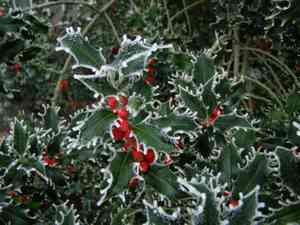
Ilex aquifolium tolerates cold and endures winter conditions.
2
Mulching aids in preserving ground moisture and safeguarding roots from frost.
3
Frequent checks in winter assist in prompt identification of pest issues.
What is Overwintering for Common holly?
What is Overwintering for Common holly?
Overwintering refers to the methods and practices used to help plants survive the winter months. For Common holly, a popular evergreen shrub often used in holiday decorations, overwintering involves specific steps to ensure it remains healthy and vibrant despite cold temperatures and potential frost. With the right care, your Common holly can thrive through the winter and come out strong in spring.
Preparing Common holly for Winter
Cleaning and Pruning
Cleaning and pruning are important first steps in preparing your Common holly for winter. Start by removing any dead or diseased branches, which can harbor pests or diseases. Trim back overgrown parts to maintain the plant's shape and allow sunlight to penetrate the inner branches. It's best to do this in late fall before the first frost, ensuring the plant is in optimal condition to face the winter.
Applying Mulch
Applying a layer of mulch around the base of your Common holly provides several benefits as winter approaches. Mulch helps to retain soil moisture, regulate soil temperature, and protect roots from freezing conditions. Use organic mulch, such as wood chips or straw, and spread it about 5-10 centimeters (2-4 inches) thick around the base of the plant, but ensure it does not touch the stem directly to prevent rot.
How to Maintain Common holly over Winter?
Watering Needs
Common holly has specific watering needs during the winter months. While the plant is dormant, it still requires moisture, especially if the winter is dry. Water your holly deeply but infrequently, ensuring that the soil is moist but not waterlogged. Aim to provide approximately 2.5-5 centimeters (1-2 inches) of water every two to three weeks, depending on the weather conditions.
Protection Against Extreme Weather
Although Common holly is frost-hardy, extreme winter conditions can still pose a threat. In areas prone to heavy snow or ice storms, consider building a protective barrier around your holly using burlap or a similar material. This helps to shield the plant from harsh winds and ice accumulation. Make sure the covering is secure but allows enough airflow to prevent mold or mildew.
Pest and Disease Management
Winter can be a challenging time for Common holly in terms of pest and disease management. Regular inspections are crucial. Look for signs of common pests like scale insects or spider mites. If discovered, treat them with appropriate insecticidal soap or neem oil. Additionally, keep an eye out for fungal diseases, which can be more prevalent in damp, cold conditions. Removing fallen leaves and debris around the plant can help reduce the risk of disease.
Post-Winter Care for Common holly
Spring Inspection and Pruning
Once winter has passed, it's important to inspect your Common holly for any winter damage. Look for broken branches, frost damage, or signs of disease. Prune any affected areas to promote healthy new growth. Spring is also a good time to do a more detailed pruning if your fall pruning was minimal. This helps to shape the plant and encourage a fuller growth pattern.
Feeding and Fertilization
As your Common holly begins to wake from its winter dormancy, it will benefit from a good feeding. Apply a balanced, slow-release fertilizer to provide essential nutrients that support new growth. Follow the manufacturer's instructions for the appropriate amount, typically broadcast around the base of the plant and gently worked into the soil. This will give your holly the best start for the growing season ahead.



