How to Overwinter Inkberry
1
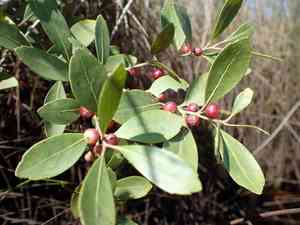
Inkberry is a hardy evergreen shrub capable of enduring cold winters with adequate preparation.
2
Consistent watering prior to winter assists Inkberry in maintaining hydration throughout the colder period.
3
Applying mulch to Inkberry aids in insulating its root system and safeguarding it from harsh freezes.
Why Is Overwintering Inkberry Important?
Why Is Overwintering Inkberry Important?
Properly preparing Inkberry for winter is essential for its well-being and survival through cold periods. Despite its inherent toughness, Inkberry can suffer from the strain of freezing conditions, potentially harming its roots, stems, and foliage. By taking necessary precautions to safeguard this evergreen shrub, you help it conserve energy and prepare for robust growth in spring. Winter protection also lowers the risk of diseases and pest outbreaks that often target weakened plants.
Assessing Inkberry Frost Hardiness
Understanding Inkberry Frost Hardiness
Inkberry (Ilex glabra) is known for its ability to withstand frost, making it a resilient option for gardeners in colder regions. This shrub can endure low temperatures, but it still requires appropriate care to thrive during winter. Knowing its hardiness levelâwhich can tolerate temperatures down to -25°C (-13°F)âhelps guide its preparation for harsher winter conditions.
Implications of Frost Hardiness for Winter Care
Although Inkberry is frost-hardy, meaning it can withstand freezing temperatures, the extent of its hardiness influences its winter care. Understanding that it can survive several degrees below freezing doesn't mean it won't benefit from extra protection. Strategic measures like mulching and correct pruning can lessen cold damage, ensuring your Inkberry emerges healthy in the spring.
Preparing Inkberry for Overwintering
Pruning Techniques for Inkberry
Pruning Inkberry before winter helps strengthen the plant and reduce stress. Remove any dead or diseased branches to prevent them from causing issues during the cold months. Lightly trim outer branches to maintain shape and improve air circulation. Be careful not to prune too aggressively, as excessive pruning can make the plant more susceptible to winter damage.
Mulching Methods to Protect Inkberry
Applying mulch around the base of Inkberry effectively insulates its roots. Use organic materials such as straw, pine needles, or shredded bark, creating a layer 5-10 cm (2-4 inches) thick. This mulch acts as a protective barrier, maintaining soil temperature and moisture, and shielding the roots from severe frost.
Watering Strategies Before Winter
Adequate watering before winter is crucial for Inkberry's survival during cold months. Ensure the shrub receives sufficient moisture until the ground freezes. A thorough watering in late autumn will help the plant retain moisture when the ground is frozen. However, avoid overwatering, as waterlogged soil can lead to root rot.
Monitoring and Maintenance During Winter
Checking for Winter Damage on Inkberry
Regularly inspecting your Inkberry during winter can help you identify and address any problems early. Look for signs of winter damage such as browning leaves, broken branches, or frost cracks. Promptly remove any damaged areas to prevent further issues and maintain the plant's health.
Managing Pests and Diseases in Winter
Even in winter, Inkberry can be susceptible to pests and diseases. Check frequently for any indications of infestation or illness, such as mold, mildew, or insect activity. If you notice any problems, address them quickly with appropriate treatments, like insecticidal soap or fungicide, to prevent them from spreading and affecting the shrub's overall health.
Bringing Inkberry Out of Winter Dormancy
Gradual Exposure to Sunlight
As temperatures begin to rise and spring approaches, slowly increase Inkberry's exposure to sunlight. This helps it adapt without being stressed by sudden temperature changes. Start by removing some of the mulch and exposing the plant to more light each day until it is fully acclimated.
Resuming Regular Watering Schedules
Once the ground thaws, re-establish a consistent watering schedule for your Inkberry. The shrub will require more water as it begins to grow again. Ensure the soil is moist but not saturated, providing approximately 2.5 cm (1 inch) of water per week, depending on weather conditions.
Post-Winter Fertilization for Inkberry
Fertilizing Inkberry in early spring supports its recovery and growth after winter dormancy. Use a balanced, slow-release fertilizer to supply essential nutrients. Follow the recommended application rates, typically every 6-8 weeks, to avoid over-fertilizing, which can harm the plant.



