How to Overwinter Common winterberry
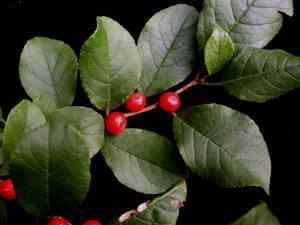
1
Ilex verticillata is resilient to cold and can endure temperatures down to -30°C (-22°F).
2
Trimming Ilex verticillata encourages more robust development and increased berry yield.
3
Adequate mulching assists Ilex verticillata in maintaining hydration and safeguarding its root system through winter.
Why Overwinter Common winterberry?
Why Overwinter Common winterberry?
Common winterberry, prized for its vivid red berries and robust nature, is a favorite among many gardeners. Yet, even the hardiest plants benefit from extra attention during severe winter months. Overwintering Common winterberry guarantees its health, vitality, and readiness to produce new growth and berries in spring. It not only aids the plant in surviving freezing temperatures but also guards against potential harm from ice, snow, and wind. By taking measures to overwinter your Common winterberry, you invest in its long-term well-being and aesthetic appeal.
Preparing Common winterberry for Winter
When to Start Winter Preparations
Timing is critical when getting your Common winterberry ready for winter. Begin your preparatory work in late autumn, typically around mid-November, depending on your location. This is when temperatures consistently drop, but before the first significant frost. Early preparations allow the plant to slowly adapt to colder weather. By adjusting to decreasing temperatures over time, the shrub becomes more resilient and less vulnerable to sudden cold snaps. Monitoring weather forecasts can help pinpoint the ideal time to begin your winter preparations.
Pruning Tips for Common winterberry
Pruning is a vital step in readying Common winterberry for winter. Start by removing any dead or diseased branches. This not only helps prevent disease spread but also enables the plant to focus its energy on healthy development. Trim back any overgrown areas to maintain the shrubâs form and encourage better air circulation. The optimal time to prune is in late winter or early spring, before new growth emerges. Always use sharp, clean pruning tools to make precise cuts, which heal faster and reduce infection risk.
Watering Schedule Before Winter
As winter approaches, itâs essential to modify your Common winterberry watering routine. In the weeks leading up to the initial frost, water the plant thoroughly once or twice weekly. This ensures the roots are well-hydrated before the ground freezes. Aim to provide approximately 2.5 to 5 centimeters (1 to 2 inches) of water per week. Infrequent, deep watering promotes deeper root growth, which is more resistant to drought and freezing conditions. Avoid overwatering, as waterlogged soil can harm the roots and make the plant more susceptible to freezing.
Best Mulching Practices for Common winterberry
Types of Mulch to Use
Selecting the appropriate mulch is crucial for safeguarding Common winterberry during winter. Organic mulches such as shredded bark, straw, or compost are excellent choices because they not only insulate the soil but also enhance its structure as they decompose. Apply a 5 to 7.5 centimeters (2 to 3 inches) thick layer around the plant's base, extending to the drip line. Avoid piling mulch directly against the stem to prevent rot. Mulching aids in maintaining soil moisture, reducing temperature fluctuations, and suppressing weeds.
How Much Mulch to Apply
The quantity of mulch you apply is critical for effective insulation and protection. Aim for a 5 to 7.5 centimeters (2 to 3 inches) thick layer around the base of the Common winterberry. This depth is sufficient to shield the roots from freezing temperatures without suffocating them. Spread the mulch evenly and carefully around the plant, ensuring a consistent layer. If you're using finer mulch materials like compost, consider a thinner layer, around 2.5 centimeters (1 inch), as they can compact more easily.
Protecting Common winterberry from Frost and Snow
Using Frost Covers
Frost covers can offer an additional layer of defense for your Common winterberry during severe frosts. Lightweight, breathable materials like burlap or frost blankets are ideal selections. Drape the cover over the shrub before nighttime frosts, securing it with stakes or rocks to prevent it from being blown away. Ensure the cover reaches the ground to trap warm air around the plant. Remove the cover during the day to allow the plant to receive sunlight and air circulation. This practice can significantly lessen the risk of freeze damage.
Creating Windbreaks
Establishing windbreaks is another effective method to shield Common winterberry from winter winds. Erect barriers using materials such as burlap, wooden planks, or even snow fences. Position these windbreaks on the windward side to protect the plant from prevailing winds. This reduces the wind's drying effect on the plant and prevents windburn. Additionally, windbreaks can help trap snow around the plant, providing natural insulation. Ensure the windbreak is sturdy and tall enough to offer adequate protection throughout the winter.
Post-Winter Care for Common winterberry
When to Remove Winter Protection
As spring approaches and temperatures begin to stabilize, it's time to start removing winter protection from your Common winterberry. Gradually remove frost covers and windbreaks when nighttime temperatures consistently remain above freezing, typically around late March to early April. This gradual removal helps the plant adjust to the changing temperatures. Monitor the weather to avoid any sudden late frosts that could harm new growth. Removing protection too early can expose the plant to potential frost damage, so patience is key.
Pruning and Feeding After Winter
After winter concludes, itâs essential to prune and feed your Common winterberry to encourage robust growth. Trim any damaged or dead branches to make way for new growth. Apply a balanced, slow-release fertilizer to replenish soil nutrients. Follow the recommended dosage on the fertilizer package and water thoroughly after application. This post-winter care promotes healthy foliage and abundant berry production. Regular feeding and pruning help maintain the plantâs structure, ensuring it remains beautiful and productive throughout the growing season.



