How to Overwinter New guinea impatiens
1
New guinea impatiens are susceptible to frost, making them perfect for indoor winter cultivation.
2
Keep the indoor temperature steady between 18°C and 24°C (65°F to 75°F) for best plant vitality.
3
Light needs lessen in winter, so limit direct sun exposure.
What are New guinea impatiens?
What are New guinea impatiens?
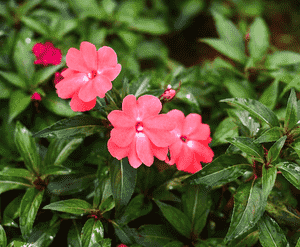
The New guinea impatiens is a popular flowering plant recognized for its vivid and diverse colors. Originating from the island of New Guinea, this plant flourishes in warm climates and is frequently cultivated as an annual in temperate zones due to its susceptibility to frost. With appealing foliage and abundant blooms, New guinea impatiens can introduce a burst of color to any garden or indoor setting.
How to Prepare New guinea impatiens for Winter?
When to Start
Initiate winter preparation for your New guinea impatiens as soon as evening temperatures start to fall below 10°C (50°F). Proper timing is vital, as delaying too long can expose the plants to damaging cold. Late September to early October is generally an optimal period to begin.
Inspect for Pests and Diseases
Prior to moving your plants indoors, thoroughly examine them for pests and diseases. Watch for common issues such as aphids, spider mites, and mildew. Address any infestations promptly with insecticidal soap or a mild neem oil solution to ensure your indoor environment remains free of pests.
Pruning and Cleaning
Trim the plants back by one-third to half their original size and remove any dead or yellowed leaves. This pruning encourages new growth and ensures the plant stays healthy and manageable indoors. Wiping the foliage with a damp cloth can also help remove dust and insects.
Where to Keep New guinea impatiens During Winter?
Ideal Indoor Conditions
Position New guinea impatiens in an area with bright, indirect light, such as a north or east-facing window. The indoor temperature should be maintained between 18°C and 24°C (65°F to 75°F). Avoid placing the plants near drafts or heating vents, as temperature fluctuations can stress them.
Using a Greenhouse
If you have access to a greenhouse, this can be an excellent environment for overwintering your New guinea impatiens. Greenhouses can maintain optimal temperature and humidity levels, providing a controlled setting where plants can thrive. Ensure the greenhouse is well-ventilated to prevent fungal diseases.
Avoiding Common Mistakes
Avoid excessive watering, as indoor conditions typically require less frequent irrigation than outdoor environments. Also, refrain from exposing the plants to direct sunlight, which can scorch the foliage. Regularly check for signs of stress or disease and address any issues promptly.
How to Care for New guinea impatiens During Winter?
Watering Needs
Water your New guinea impatiens sparingly during winter. The soil should remain moist but not waterlogged. Irrigate when the top 2-3 cm (1 inch) of the soil feels dry to the touch. Reduce watering frequency compared to the active growing season.
Light Requirements
During winter, New guinea impatiens require bright but indirect light. Minimize direct sunlight exposure to prevent leaf burn. If natural light is insufficient, consider using a grow light for supplementation.
Temperature and Humidity
Maintain a consistent indoor temperature range of 18°C to 24°C (65°F to 75°F). A humid environment is beneficial, so placing a humidifier nearby or a tray filled with water and pebbles can increase humidity levels around the plants.
When and How to Reintroduce New guinea impatiens Outdoors?
Timing for Transition
Begin the transition process when nighttime temperatures consistently remain above 10°C (50°F), typically in late spring. Timing is crucial to prevent shocking the plants with sudden temperature changes.
Gradual Acclimatization
Gradually acclimate New guinea impatiens to outdoor conditions by placing them outside for a few hours each day, progressively increasing their exposure over 7-10 days. This process, known as hardening off, helps strengthen the plants before permanently moving them outdoors.



