How to Overwinter Goldenrain tree
1
The Goldenrain tree withstands frost well, making it a robust option for colder regions.
2
Mulching aids in keeping soil moist and shields roots from freezing conditions.
3
Burlap coverings can safeguard your Goldenrain tree against strong winter gusts.
Is the Goldenrain tree Frost Hardy?
Is the Goldenrain tree Frost Hardy?
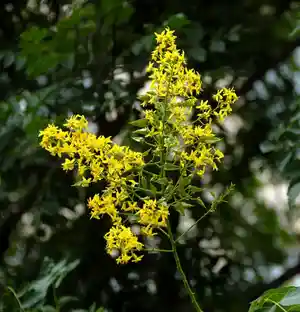
The Goldenrain tree (Koelreuteria paniculata) is recognized for its delicate yellow blossoms that appear in summer and its distinctive lantern-shaped seed pods that provide visual interest through autumn. Fortunately, it is frost-tolerant, meaning the tree can endure cold temperatures without suffering frost damage. However, while the mature tree may withstand mild frosts, young saplings and recently planted trees require additional care during winter for optimal health and development. Let's explore how to prepare and safeguard your Goldenrain tree during the colder months.
Preparing Goldenrain tree for Winter
Inspect for Pests and Diseases
Before winter arrives, examine your Goldenrain tree for any indications of pests or diseases. Look for unusual marks, molds, or insect activity. Address any problems promptly, using environmentally friendly treatments when possible, to ensure the tree is healthy entering winter. A robust tree is better equipped to handle seasonal stresses.
Prune Your Goldenrain tree
Pruning your Goldenrain tree is crucial for its winter maintenance. Remove any dead, diseased, or damaged branches to prevent them from breaking under the weight of snow or ice. Pruning also enhances air circulation, lowering the risk of fungal infections. However, avoid extensive pruning just before winter; light trimming is more appropriate to prevent stressing the tree.
Watering Needs
Adequate watering before the ground freezes is essential. Ensure your Goldenrain tree is well-hydrated going into late fall, as dry soil can freeze more quickly and cause root damage. Water the tree thoroughly, providing about 2.5 centimeters (1 inch) of water per week, or approximately 10 liters (2.5 gallons), until the ground begins to freeze. This helps maintain soil moisture and supports the tree during winter dormancy.
Mulching Tips
Applying a layer of mulch around the base of your Goldenrain tree helps regulate soil temperature and retain moisture. Use organic mulch like wood chips or straw, spreading a layer about 5-7 centimeters (2-3 inches) thick. Ensure the mulch covers the root zone but avoid piling it against the trunk to prevent rot. Mulching is a simple yet effective way to shield the roots from extreme cold.
Winter Protection Strategies for Goldenrain tree
Shielding from Harsh Winds
Strong winter winds can dehydrate and harm your Goldenrain tree. Create a windbreak using burlap screens or plant a row of evergreen shrubs near the tree to serve as a natural barrier. This can significantly reduce wind exposure and moisture loss from the tree.
Using Burlap Wraps
Wrapping the trunk and branches of your Goldenrain tree with burlap can offer additional protection against snow, ice, and wind. Begin wrapping from the base of the tree, working your way upward, and secure the burlap with twine. This technique helps insulate the tree and prevent bark damage.
Applying Anti-Desiccant Spray
Anti-desiccant sprays, typically made from natural polymers, help reduce moisture loss from the tree's leaves and bark. Applying this spray in late fall creates a protective barrier, minimizing winter burn and keeping the tree hydrated. Follow the manufacturer's instructions for optimal results.
Monitoring During Winter
Check Soil Moisture
Even during winter, it's crucial to ensure the soil around your Goldenrain tree remains sufficiently moist. Check the soil moisture levels periodically, especially during dry periods. If the ground isn't frozen, water the tree on milder days to prevent the roots from dehydrating.
Inspect for Animal Damage
Winter can attract unwanted visitors like rodents and deer who may nibble on the bark or lower branches of your tree. Regularly inspect your Goldenrain tree for signs of animal damage. Consider placing a protective barrier around the tree's base or using repellent sprays to deter them.
Spring Care After Overwintering
Gradually Remove Winter Protection
As the weather warms, remove winter protection progressively. Start by unwrapping the burlap covers and thinning the mulch layer. This gradual process helps the tree acclimate to the changing temperatures and reduces the risk of shock.
Fertilizing Your Goldenrain tree
Spring is the ideal time to nourish your Goldenrain tree. Use a balanced, slow-release fertilizer to provide essential nutrients for new growth. Follow the recommended application rates, and water the tree well after fertilizing to help the nutrients reach the roots.
Inspect for Winter Damage
Once winter has passed, thoroughly inspect your Goldenrain tree for any signs of winter damage. Look for cracked bark, broken branches, or fungal infections. Prune any damaged areas and treat any issues promptly to ensure your tree recovers well and thrives in the new growing season.



