How to Overwinter French lavender
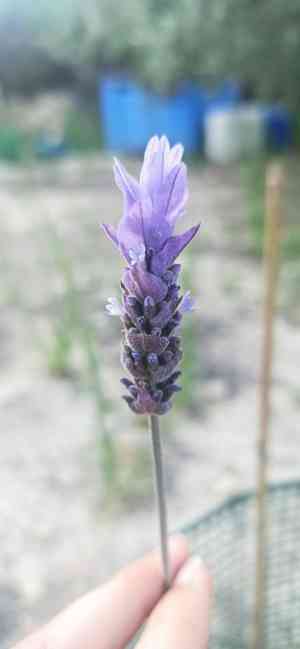
1
French lavender is resilient and withstands low temperatures, though it thrives with additional attention in colder regions.
2
Applying mulch insulates the root system of your French lavender throughout the winter period.
3
Trim your French lavender once it has bloomed to maintain its health and prepare it for the subsequent growth cycle.
Understanding French lavender and Frost Hardiness
Understanding French lavender and Frost Hardiness
As an evergreen shrub known for its vibrant purple flowers and pleasant fragrance, French lavender is beloved in gardens around the world. Though hardy, this plant is sensitive to extreme cold. French lavender can withstand light frosts, but extended exposure to below-freezing temperatures can be detrimental. Understanding its frost hardiness is crucial to provide the right winter care and ensure it returns vigorously in spring.
How Do You Prepare French lavender for Winter?
Check Soil and Drainage
Ensuring your French lavender is planted in well-drained soil is the first step to overwintering success. Excess moisture can cause root rot, especially in colder weather. Before winter sets in, make sure the soil drains well, ideally mixing in some sand or gravel to improve drainage. Aim for soil that doesn't retain water but doesn't dry out completely either.
Pruning Tips for Winter
Proper pruning is essential for healthy French lavender. Before the first frost, trim back dead or diseased growth and shape the plant to encourage better airflow. This helps prevent mold and diseases during damp winter months. Focus on removing about one-third of the plant, being careful not to cut into the old wood as this can hinder new growth in spring.
Mulching Strategies
Mulching is a fantastic way to protect your French lavender's roots from frost. Apply a thick layer of organic mulch, about 5-7 cm (2-3 inches) around the base of the plant. This not only insulates against temperature fluctuations but also helps retain moisture and suppress weeds. Consider using straw, wood chips, or leaf mold for effective mulching.
Should You Bring French lavender Indoors?
Evaluating Indoor Conditions
Bringing French lavender indoors can be a good option if you live in a region with harsh winters. First, assess if your indoor environment can meet the plant's needs. French lavender requires bright lightâaim for at least 6 hours of sunlight per day. Ensure the room is cool but not drafty, maintaining a temperature around 15-20°C (60-68°F). Good air circulation is also vital to prevent mold.
Transitioning the Plant Indoors
Before moving French lavender indoors, acclimate it to the indoor environment gradually. Start by bringing it inside for a few hours a day, gradually increasing the time over a week. Check for pests and trim any overgrown areas to make handling easier. Once inside, place the pot in a bright location and water moderately, ensuring it doesn't sit in standing water.
Outdoor Winter Care for French lavender
Choosing the Right Location
If you decide to keep your French lavender outdoors, positioning is key. Choose a location that gets plenty of sunlight and is protected from strong, cold winds. Planting against a south-facing wall can help as it provides additional warmth and protection.
Watering Considerations
Overwintering French lavender outdoors requires careful watering. While the plant doesnât need much water in winter, ensure occasional watering during dry spells to keep it hydrated. Water the plant early in the day so the soil can dry before nightfall, reducing the risk of frost damage.
Using Covers and Frost Cloths
In regions with severe frost, using covers or frost cloths can provide an extra layer of protection for your French lavender. Lightweight covers can shield the plant from frost while allowing air circulation. Cover the plant during frost forecasts and especially cold nights, removing it during the day to avoid excess moisture accumulation.
Post-Winter Care for Thriving French lavender
Inspecting and Pruning After Winter
As spring approaches, inspect your French lavender for winter damage. Prune back any dead or damaged branches, shaping the plant for new growth. This maintenance will help rejuvenate the plant and encourage vibrant blooms. Remove any mulch to prevent wet, soggy conditions around the roots.
Enhancing Soil Fertility
After winter, give your French lavender a health boost by enriching the soil. Mix in a balanced fertilizer or compost to enhance soil fertility. This helps replenish nutrients lost over the winter and sets your plant up for a robust growing season. Be cautious not to over-fertilize as lavender thrives in less nutrient-rich soils.



