How to Overwinter Topped lavender
1
Light pruning of Topped lavender before winter encourages robust spring development.
2
Shielding Topped lavender with frost cloths guards against severe winter winds and sudden cold.
3
Placing Topped lavender indoors by a south-facing window provides sufficient light for overwintering.
What is Topped lavender?
What is Topped lavender?
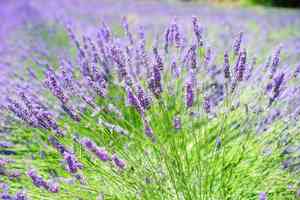
Topped lavender, often prized for its vivid purple flower spikes and pleasingly fragrant foliage, is an evergreen shrub originating from the Mediterranean region. Its distinctive flower structure, featuring a 'topknot' of petals above the bloom, makes it a favorite among garden enthusiasts. Suitable for both garden beds and containers, Topped lavender flourishes with appropriate care and attention.
Why Overwinter Topped lavender?
Benefits of Overwintering
Overwintering your Topped lavender ensures its survival through cold months and healthy emergence in spring. By preventing exposure to freezing temperatures, you safeguard the plant's roots and encourage robust growth in the subsequent season. Overwintering also lessens the risk of disease and pest infestations, as the plant experiences less stress during extreme weather conditions.
Challenges of Overwintering
While overwintering Topped lavender offers numerous advantages, it also presents certain difficulties. Ensuring sufficient indoor light, maintaining optimal temperatures, and preventing overwatering can be challenging. Outdoor overwintering requires effective wind and frost protection, which can be labor-intensive. However, with the correct approaches, these obstacles can be overcome.
Pre-Winter Preparation for Topped lavender
Pruning Tips
Before winter arrives, lightly prune your Topped lavender. Remove any dead or diseased wood, and shape the plant to promote good air circulation. Avoid cutting too deeply into old wood, as this can impede new growth in spring.
Soil and Mulching Needs
Topped lavender thrives in well-draining soil. To prepare for winter, apply a layer of mulch around the plant's base. This will help insulate the roots and retain moisture. Use organic materials like straw or compost, which decompose and enrich the soil over time.
Watering Guidelines
As winter approaches, gradually reduce irrigation. Topped lavender prefers drier soil during colder months. Ensure the soil is not waterlogged to prevent root rot. Water sparingly, and only when the top layer of soil is completely dry.
Indoor Overwintering Methods
Choosing the Right Spot
Select an indoor location that is cool yet bright. A spot near a south-facing window is ideal, as it allows your Topped lavender to receive ample natural light without being exposed to extreme temperatures.
Lighting Requirements
Topped lavender needs at least six hours of daily light. If natural light is insufficient, consider supplementing with grow lights. Position the lights 30-45 cm (12-18 inches) above the plant for optimal results.
Temperature Control
Maintain indoor temperatures between 10-15°C (50-59°F). Avoid placing Topped lavender near heat sources or drafty windows. Consistent temperatures help the plant remain dormant without experiencing stress.
Outdoor Overwintering Techniques
Using Frost Cloths and Covers
Invest in frost cloths or horticultural fleece to cover your Topped lavender during nights when frost is anticipated. These covers provide a protective layer that helps maintain ambient temperature around the plant.
Mulching Strategies
Apply a thicker layer of mulch, about 5-8 cm (2-3 inches), around the base of your plant. This additional insulation will protect the roots from freezing temperatures and help retain soil moisture.
Wind Protection
Strong winter winds can harm your Topped lavender. Erect windbreaks using fences, burlap screens, or by positioning the plant near sturdy structures. Reducing wind exposure prevents desiccation and breakage.
Post-Winter Care for Topped lavender
Gradual Reintroduction Outdoors
Once the risk of frost has passed, begin acclimating your Topped lavender to outdoor conditions. Start by placing it outside for a few hours each day, gradually increasing the duration over a couple of weeks. This helps prevent shock and ensures a smooth transition.
Spring Pruning Recommendations
After reintroducing Topped lavender outdoors, undertake a more significant pruning. Trim back approximately one-third of the plant, focusing on removing old, woody growth. This encourages new, vigorous shoots and a bushier appearance.
Fertilization Tips
In spring, apply a balanced, slow-release fertilizer to provide the necessary nutrients for growth. Follow up with regular feeding every 4-6 weeks during the growing season to maintain plant vitality.



