How to Overwinter Silver squill
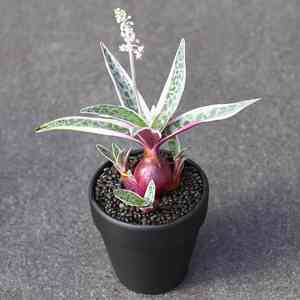
1
Refrain from excessive watering of your Silver squill, particularly in colder periods, to avert root decay.
2
Silver squill flourishes optimally within a temperature spectrum of 10-15°C (50-59°F) during the winter season.
3
Periodically inspect for common pests such as spider mites and aphids, as they are more prone to infest indoor plants.
Understanding Silver squill's Half-Hardy Nature
Understanding Silver squill's Half-Hardy Nature
The Silver squill is a distinct and visually appealing plant recognized for its attractive foliage and robust character. However, it's considered semi-hardy, meaning it can endure some cold but not severe frost. Typically grown as an indoor plant, especially in areas with cold winters, Silver squill can be moved outdoors when weather permits but must be brought inside before temperatures drop significantly.
Preparing Silver squill for Winter
When to Start Preparation
Begin preparing your Silver squill for winter as soon as outdoor temperatures start to fall below 15°C (59°F). In many regions, this means relocating the plant indoors by mid to late autumn. Early preparation ensures the plant isn't exposed to any adverse conditions.
Necessary Supplies
To successfully overwinter your Silver squill, you'll need a few essential items: A well-draining container Fresh potting mix if repotting is necessary A watering can with a fine spout Gardening gloves A plant tray or saucer Pruning shears for trimming any unhealthy foliage.
Assessing Plant Health
Before moving your Silver squill indoors, inspect it thoroughly. Check for any signs of pests, disease, or unhealthy foliage. Remove any dead or damaged leaves and treat for pests if necessary. Ensuring the plant is healthy before bringing it indoors can prevent potential problems during the winter months.
Indoor Care Tips for Silver squill During Winter
Ideal Temperature Range
Silver squill prefers a cooler environment during winter. Aim to keep the indoor temperature between 10-15°C (50-59°F). Avoid placing the plant near drafts or heating vents, as sudden temperature changes can stress the plant.
Light Requirements
While Silver squill isn't overly demanding when it comes to light, it still needs bright, indirect sunlight to thrive. Place it near a north or east-facing window to provide adequate light without exposing it to direct sun, which can scorch the leaves.
Watering Guidelines
Reduce watering frequency during winter. The soil should be allowed to dry out slightly between watering sessions. Overwatering can lead to root rot, a common issue for Silver squill during the colder months. Watering once every two to three weeks should suffice, depending on indoor humidity and temperature.
Humidity Needs
Silver squill doesn't require high humidity and can adapt well to typical indoor conditions. However, if your home is particularly dry, especially due to heating, you might consider placing a small humidifier nearby or using a pebble tray with water to maintain a balance.
Common Problems and Solutions During Winter
Dealing with Pests
Indoor environments can attract pests like spider mites and aphids. Regularly check the undersides of leaves and stems for any signs of infestation. If pests are detected, treat the plant with a mild insecticidal soap or neem oil.
Preventing Root Rot
As Silver squill is prone to root rot, especially in winter, ensure the soil is well-draining and monitor the moisture levels. Using a pot with drainage holes and avoiding waterlogged conditions are critical preventive measures.
Addressing Leaf Drop
Leaf drop can be a sign of stress, often due to unsuitable conditions such as low light or excessive water. Ensure your plant's environment is consistent with its needs - check light levels, watering, and temperature, and adjust as necessary.
Monitoring and Adjusting Care for Silver squill
Regular Check-ups
Weekly inspections of your Silver squill help catch any potential issues early. Look for changes in color, texture, or the presence of pests. Prompt diagnosis and treatment can save your plant from more severe problems.
Adjusting Care Based on Plant Response
Be flexible with your care routine based on your plant's responses. If you notice leaf yellowing or browning, you may need to adjust light levels or watering frequency. A thriving Silver squill is the best indicator that its winter care regimen is effective.



