How to Overwinter Oxeye daisy
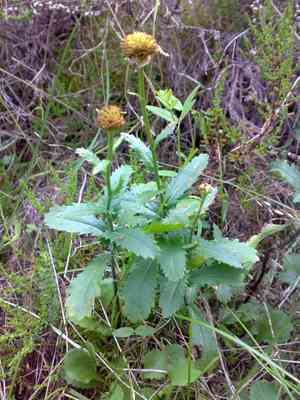
1
Oxeye daisy tolerates frost well, indicating its resistance to low temperatures.
2
Consistent trimming encourages more robust development and deters illness.
3
Appropriate mulching safeguards your Oxeye daisy roots throughout severe winter periods.
The Importance of Overwintering Oxeye daisy
Why Overwinter Oxeye daisy?
Overwintering is crucial for your Oxeye daisy to endure the cold season and re-bloom in spring. By taking appropriate measures to prepare your plant for winter, you can maintain its health and vigor. Winter can be harsh, but Oxeye Daisies are quite resilient. However, proper preparation ensures they not only survive but flourish by springtime. This process helps prevent issues like frost damage, root decay, and pest infestations during colder periods.
Preparing Oxeye daisy for Winter
When to Start Preparations
It's vital to begin winter preparations before the initial frost. Typically, this means starting in late autumn, around October or November. By this time, the plant has usually completed its growth cycle, allowing you to focus on shielding it from the impending cold. Mark your calendar to avoid being surprised by an early frost.
Pruning and Cleaning
Pruning your Oxeye daisy involves cutting back the stems to approximately 5-10 cm (2-4 inches) above the soil. Remove any dead or diseased foliage to deter pests and diseases from establishing during the cold months. This pruning not only tidies your plant but also promotes vigorous new growth in the spring.
Mulching Techniques
Mulching is an excellent method to protect your Oxeye daisy from the cold. Apply a layer of mulch around the plant's base, about 5-7.5 cm (2-3 inches) thick. Organic materials like straw, wood chips, or compost are superb choices. This mulch acts as a thermal barrier, helping to insulate the roots and retain soil moisture.
Winter Care for Potted Oxeye daisy
Indoor vs Outdoor Storage
If you have potted Oxeye Daisies, you must decide whether to bring them inside or leave them outdoors. Indoors, place them in a cool yet brightly lit spot, avoiding direct heat sources. Outdoor storage is feasible if you ensure the pot is insulated. Positioning it against a wall can offer additional protection from the elements.
Watering Needs
During winter, your Oxeye daisy's watering requirements change. The plant enters a dormant phase and needs less water. Water sparingly, just enough to prevent the soil from completely drying out. Overwatering can lead to root rot, especially in colder weather.
Light Requirements
Even though your Oxeye daisy will be mostly dormant during winter, it still requires light. If indoors, place it near a south-facing window where it can receive ample sunlight. Outdoors, ensure it is in a location where it can get sufficient natural light, though it doesnât need full summer sunshine during these months.
Common Winter Issues and Solutions
Rot Prevention
Winter rot is a frequent problem for Oxeye Daisies. Ensure proper drainage by preventing waterlogging and using a well-draining soil mix. Elevating containers off the ground and ensuring no water accumulates around the plant's base can help prevent rot.
Pest Control
While pests are less active in winter, itâs important to watch for any signs of infestation. Regularly inspect the foliage and soil for pests such as aphids or spider mites. Remove any affected parts promptly and consider using natural insecticides if necessary.
Addressing Frost Damage
Despite all precautions, sometimes frost damage is unavoidable. If you notice any frostbite on the leaves or stems, trim away the affected parts. Use frost cloths or blankets to cover plants during particularly cold nights and avoid watering early in the morning before temperatures rise.



