How to Overwinter Texas ranger
1
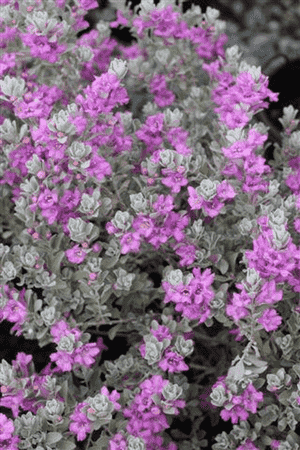
Texas ranger originates from the southwestern US and Mexico, thriving in arid and warm environments.
2
This bush tolerates mild frost but suffers from extended periods of freezing weather.
3
Winter care methods differ based on the plant's indoor or outdoor placement.
Is Texas ranger Frost Hardy?
Is Texas ranger Frost Hardy?
The Texas ranger (Leucophyllum frutescens) is considered somewhat tolerant to cold. This means it possesses some resistance to frost but is not entirely immune to freezing. While it can endure mild frosts, extended periods of freezing temperatures can harm or even kill the plant. Therefore, if you reside in a region with severe winters, implementing protective measures is crucial for your Texas ranger.
Preparing Texas ranger for Winter
Pruning and Trimming
Before the onset of winter, it's essential to prune and trim your Texas ranger. This helps remove any dead or diseased branches and promotes vigorous new growth in spring. Be sure to cut back any leggy growth to maintain a compact form. Use clean, sharp pruners for precise cuts just above a leaf node.
Soil and Fertilizer
Improving the soil's condition before winter can aid your Texas ranger in surviving the colder months. Incorporating well-composted organic matter into the soil can enhance drainage and provide nutrients. Avoid heavy fertilization as the plant begins its dormant phase. A balanced, slow-release fertilizer applied in late autumn is typically sufficient.
Watering Needs
As temperatures decrease, your Texas ranger will require less water. Reduce watering frequency and ensure the soil remains slightly moist but not waterlogged. Excessive watering during winter can lead to root rot. Once the ground has frozen, cease watering entirely, as the plant will be fully dormant.
Indoor Care for Texas ranger During Winter
Ideal Indoor Conditions
If you choose to bring your Texas ranger indoors for winter, ensure it stays in a cool, well-ventilated space. Maintain room temperatures around 10-18°C (50-65°F). Avoid positioning the plant near heat sources like radiators or fireplaces.
Lighting Requirements
The Texas ranger needs ample light even in winter. Place it near a south or west-facing window where it can receive at least six hours of sunlight daily. If natural light is insufficient, supplement with grow lights to maintain healthy foliage.
Indoor Watering Schedule
While indoors, adjust your watering routine to prevent overwatering. Water only when the top 2.5 cm (1 inch) of soil feels dry. Use room temperature water and ensure the pot has adequate drainage to prevent water accumulation.
Outdoor Protection Strategies
Mulching Techniques
Apply a thick layer of mulch around the base of your Texas ranger. Use organic materials such as straw, leaves, or wood chips to provide insulation. A layer of about 5-7.5 cm (2-3 inches) should be enough to protect the roots from freezing temperatures.
Covering and Insulation
Cover your Texas ranger with frost cloths or burlap to shield it from freezing winds and frost. Ensure the covers do not directly touch the foliage, as this can cause damage. Stakes can be used to create a frame, keeping the fabric from contacting the plant.
Windbreaks and Microclimates
Position your Texas ranger near buildings, walls, or other shrubs that can serve as windbreaks. These structures can help create a microclimate that offers some protection from harsh wind and cold. Planting in sheltered locations also minimizes exposure to elements.
Signs of Stress and How to Mitigate
Identifying Frost Damage
The Texas ranger may exhibit signs of frost damage such as wilting, browning leaves, or blackened stems. Prompt action can help reduce damage. Remove any affected foliage to prevent the plant from expending energy on dead tissue.
Reviving a Stressed Texas ranger
If your plant shows signs of stress, gradually reintroduce it to optimal conditions. Increase sunlight exposure and ensure adequate watering without waterlogging the roots. A balanced fertilizer can also help revive the plant, but avoid over-fertilizing.
When to Move Texas ranger Back Outdoors
Optimal Temperature and Timing
Move your Texas ranger back outdoors only when nighttime temperatures consistently remain above 10°C (50°F). Late spring is typically an ideal time for reintroducing the plant to the garden.
Acclimatization Process
Gradually acclimate your Texas ranger to outdoor conditions by placing it in a shaded area for a few hours each day, progressively increasing its exposure to sunlight and outdoor temperature. This process usually takes about 7-10 days.



