How to Overwinter Lovage
1
Lovage plants tolerate cold well, making them fairly simple to keep alive through winter with appropriate attention.
2
Applying a thick layer of organic material can help protect Lovage roots from freezing temperatures.
3
Monitor soil dampness often, but refrain from excessive watering to prevent root decay in colder months.
Understanding Lovage and Its Frost Hardiness
Understanding Lovage and Its Frost Hardiness
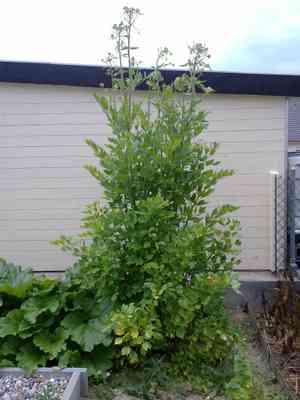
Lovage is a perennial herb recognized for its celery-like taste and vigorous growth. It possesses frost hardiness, meaning it can endure freezing temperatures down to 20°F (-6°C). This resilience makes it a prime candidate for overwintering, but even tough plants require safeguarding and attention to ensure they flourish come spring. In this guide, we'll explore steps to help your Lovage plants survive winter unharmed.
How to Prepare the Soil for Overwintering Lovage
Soil Condition Assessment
Prior to initiating any winterization procedures, evaluate the state of your soil. Confirm that it drains effectively, as waterlogged soil can lead to root rot during colder months. Take a small soil sample from around your Lovage plant and assess its texture; it should be friable and not excessively compacted.
Amending the Soil
If your soil appears compacted or overly dense, consider enriching it with organic matter like compost. Well-aerated and organically rich soil will aid root respiration and enhance cold resistance. Apply a 5 cm (2 inches) layer of compost around the plant's base and gently incorporate it into the topsoil.
What Type of Mulching Works Best for Lovage?
Organic Mulch
Organic mulches such as straw, shredded leaves, or wood chips are excellent for insulating the soil and roots. Spread a thick layer, approximately 10-15 cm (4-6 inches), around the base of your Lovage plant. This will help maintain soil moisture and guard against temperature fluctuations.
Inorganic Mulch
Though less common, inorganic mulches like gravel or plastic sheeting can also be utilized. These materials are less effective at supplying nutrients to the soil but can still assist in temperature regulation and moisture retention. Ensure the mulch layer is sufficiently thick to offer adequate protection without suffocating the plant.
Common Issues When Overwintering Lovage and How to Address Them
Root Rot
Root rot is a frequent problem during winter if the soil remains excessively wet. To prevent this, ensure you donât overwater and that your soil drains properly. If you detect soft roots or an unpleasant odor, reduce watering and improve soil drainage immediately.
Frost Damage
Despite its frost hardiness, Lovage can suffer from severe frost. Cover your plant with a frost blanket or cloche when temperatures fall below 20°F (-6°C) to provide additional insulation and protection.
Pests
While less active in winter, pests like aphids can still pose a threat. Regularly inspect your plant for signs of pests and apply neem oil or insecticidal soap to keep them under control. A strong spray of water can also help dislodge small infestations.



