How to Overwinter Chinese privet
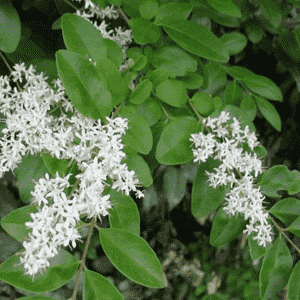
1
Chinese privet 1 can withstand temperatures down to -12°C (10°F).
2
Mulching helps maintain the root area up to 5°C (9°F) warmer.
3
Winter pruning eliminates damaged parts and encourages general well-being.
What Makes Chinese privet Hardy?
What Makes Chinese privet Hardy?
The Chinese privet is known for its toughness, capable of enduring various environmental conditions, making it a popular choice for gardeners. Hailing from China, this resilient evergreen shrub thrives in USDA hardiness zones 5-9. Its dense foliage and strong root system enable it to quickly recover from pruning and withstand dry spells. Furthermore, it can tolerate temperatures as low as -12°C (10°F), making it a dependable option for gardens experiencing harsh winters. This robustness comes from its natural adaptation to different stresses, ensuring it stays lush and healthy all year with proper care.
Preparing Chinese privet for Winter
Inspecting for Pests and Diseases
Before winter arrives, it's vital to check your Chinese privet for any indications of pests or diseases. Early identification can prevent minor issues from worsening during the dormant period. Watch for common pests such as aphids, spider mites, and scale insects. Examine leaves and stems for discoloration, holes, or sticky residues, which signal pest activity. If found, treat with a suitable pesticide or insecticidal soap. Additionally, inspect the plant for fungal diseases, which might appear as black spots or powdery mildew. Address these problems promptly with fungicides to ensure your Chinese privet enters winter in prime condition.
Pruning and Cleaning Up
Trimming your Chinese privet before winter not only shapes the plant but also removes any dead or diseased wood that could harbor pests. Using sanitized pruning shears, cut back about one-third of the plant, focusing on eliminating damaged or crossing branches. This practice improves air circulation and light penetration, reducing disease risk. Gather all pruned material and fallen leaves to prevent them from becoming breeding grounds for pests and diseases. This cleanup process ensures the plant remains healthy throughout the winter months.
Mulching for Root Protection
Mulching is a crucial step in readying Chinese privet for winter. Apply a 5-10 cm (2-4 inch) thick layer of organic mulch, such as wood chips or straw, around the plant's base, extending to the drip line. This layer acts as an insulating blanket, shielding roots from freezing temperatures and preventing soil moisture loss. Mulch also suppresses weed growth, which can compete with the Chinese privet for nutrients. Remember to keep the mulch a few centimeters away from the trunk to prevent rot.
How to Protect Chinese privet from Frost?
Choosing the Right Location
Strategic placement of your Chinese privet can significantly impact its ability to endure frost. Select a location that offers some shelter from the strongest winds, such as near a building or fence. The microclimate created by these structures can slightly moderate temperatures, reducing frost exposure. Furthermore, avoid low-lying areas where cold air tends to accumulate. Planting in a spot that receives ample sunlight during the day will help the soil retain warmth, providing a buffer against nighttime frosts.
Using Frost Covers
Frost covers, or protective blankets, are an effective method to shield your Chinese privet from freezing temperatures. These covers insulate the plant, trapping heat and preventing frost from settling on the leaves and branches. When frost is predicted, drape a frost cover over your Chinese privet, ensuring it reaches the ground to effectively trap warmth. Secure the cover with stakes or weights to keep it in place. You can easily remove the cover during the day to allow the plant to benefit from sunlight and airflow.
Watering Needs During Frost
Properly watering your Chinese privet during frost periods is essential. Before a frost, ensure the soil is well-hydrated, as moist soil retains heat better than dry soil. Water deeply, making sure the moisture reaches the root zone, approximately 30-45 cm (12-18 inches) deep. However, avoid overwatering, which can lead to root rot. During winter, reduce the watering frequency, but do not allow the soil to completely dry out. A good balance will keep the plant hydrated and resilient against frost damage.
Monitoring Chinese privet Throughout Winter
Regularly Checking for Damage
Throughout winter, consistently inspect your Chinese privet for any signs of damage from frost or pests. Look for wilted or discolored leaves, broken branches, and indications of pest activity. Early detection allows for swift intervention, minimizing long-term harm. If you notice frost damage, remove the affected parts to prevent further injury. Monitoring helps ensure that the plant remains healthy and can recover quickly once warmer weather returns.
Adjusting Mulch As Needed
Periodically inspect the mulch around your Chinese privet to ensure its continued effectiveness. Winter winds and precipitation can displace the mulch, potentially exposing the roots. If you observe any gaps, replenish the mulch to maintain the protective layer. Also, as the season progresses, the mulch may decompose, so adding fresh mulch can help sustain its insulating properties. Consistent mulch maintenance is crucial for protecting the root system throughout winter.



