How to Overwinter Perennial ryegrass
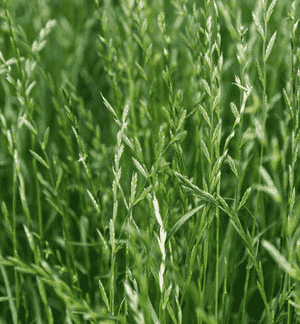
1
Perennial ryegrass exhibits strong resistance to cold, making it ideal for colder regions.
2
Apply fertilizer to your Perennial ryegrass lawn prior to the initial frost to supply essential nutrients for winter survival.
3
Employing mulch and frost covers can greatly shield Perennial ryegrass from severe winter weather.
What Makes Perennial ryegrass Hardy in Winter?
What Makes Perennial ryegrass Hardy in Winter?
A key characteristic of Perennial ryegrass is its impressive winter resilience. This cool-season turf possesses the capacity to endure lower temperatures and even minor frosts. Its dense root structure enables it to retain moisture and nutrients more effectively, ensuring survival through harsh winter conditions. This grass's frost-resistant nature makes it a favored option for lawns in cooler climates, keeping your lawn vibrant and lush even when temperatures drop.
Preparing Perennial ryegrass for Winter
Proper Lawn Mowing Techniques
Before winter's arrival, it's essential to modify your lawn mowing routine. For Perennial ryegrass, the ideal height before winter begins is approximately 6-8 cm (2.5-3 inches). Cutting too short can leave the lawn vulnerable to frost damage, while leaving it too long can harbor pests and diseases. Gradually lower the mowing height as winter approaches, but avoid cutting the lawn excessively short.
Fertilization Needs
Fertilizing your Perennial ryegrass lawn prior to the first frost is vital for its winter survival. Choose a slow-release, high-potassium fertilizer. Potassium strengthens the grass's root system and improves its capacity to store nutrients, which is critical during winter's dormant period. Typically, you should fertilize in late fall, about 4-6 weeks before the first anticipated frost.
Weed and Pest Control
Weeds and pests can be particularly problematic for lawns preparing for winter. Ensure these issues are addressed by applying a pre-emergent herbicide to prevent weed growth and by monitoring for pests. Regular inspection of your lawn and using appropriate pest control measures can prevent damage from grubs, ants, or other pests that might seek shelter in your grass during colder months.
Utilizing Mulch Effectively
Mulching is an excellent method to insulate Perennial ryegrass during winter. Applying a thin layer of organic mulch, such as straw or finely shredded leaves, can help shield the grass from freezing temperatures. Mulch retains moisture and maintains a more consistent temperature around the root zones, protecting them from severe cold.
Importance of Proper Drainage
Adequate drainage is crucial to prevent water from accumulating on your Perennial ryegrass lawn, which can freeze and cause harm. Ensure your lawn has a slight incline to facilitate water runoff, and consider aerating the soil before winter to enhance drainage. If water tends to gather in specific areas, resolve these drainage problems to prevent ice formation and root damage.
Using Frost Blankets
Frost blankets or covers can be a savior for your lawn during especially cold nights. These breathable materials provide an additional layer of protection without suffocating the grass. Place them over your lawn during extreme cold spells and remove them during warmer periods to ensure your Perennial ryegrass receives sufficient sunlight and air circulation.
When to Re-Seed or Overseed Perennial ryegrass in Spring
Optimal Seeding Time
Timing is critical when re-seeding or overseeding Perennial ryegrass. Plan to do this in early spring, as soon as the last frost date has passed. Soil temperatures should consistently be around 10-18°C (50-65°F) for ideal germination. This timing allows the grass to establish well before the arrival of summer heat.
Choosing the Right Seed Mix
Select a high-quality seed blend suitable for your local climate and soil conditions. Look for mixes that include endophyte-enhanced Perennial ryegrass, which offers improved disease resistance and stress tolerance. Combining different varieties can also ensure a stronger, more resilient lawn.
Post-Winter Lawn Care Tips
Once re-seeded, consistent watering is essential to promote healthy germination and growth. Water lightly but frequently to keep the soil moist but not waterlogged. Gradually transition to deeper, less frequent watering as the grass establishes. Additionally, keep an eye out for any late-season frosts and be prepared to cover young grass if necessary.



