How to Overwinter Amur honeysuckle
1
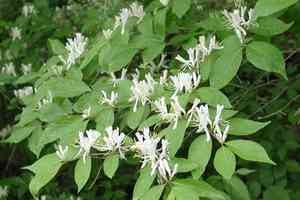
Amur honeysuckle exhibit exceptional cold tolerance, enduring temperatures as low as -34°C (-30°F).
2
Trimming Amur honeysuckle prior to winter can encourage more robust development in the spring.
3
Applying mulch around your Amur honeysuckle can aid in root insulation and moisture retention throughout the chilly winter period.
Understanding Amur honeysuckle's Frost Hardiness
Understanding Amur honeysuckle's Frost Hardiness
The Amur honeysuckle is a resilient and adaptable garden shrub, noted for its impressive ability to withstand cold. Hailing from the colder regions of East Asia, this plant can flourish in temperatures as low as -34°C (-30°F). Its tough nature makes it an excellent option for gardeners in areas with harsh winters. However, its frost tolerance doesn't negate the need for winter care. Proper preparations ensure it stays healthy and vibrant through colder months.
Preparing Amur honeysuckle for Winter
Pruning the Plant
An initial step in readying your Amur honeysuckle for winter involves pruning. This process helps eliminate dead or diseased branches that could pose issues during the winter. Ideally, prune in late autumn before severe freezes begin. Inspect for any signs of illness or damage and cut back these branches to promote healthier growth in the spring.
Watering Before the Cold Sets In
Sufficient watering before winter is vital for the Amur honeysuckle. The soil should be thoroughly moistened to help the roots remain hydrated during the cold season. Water deeply in late autumn, providing about 2.5 cm (1 inch) of water weekly, ensuring the root zone is well-saturated. This step is especially important for young plants or those recently transplanted, as it aids in establishing a robust root system.
Applying Mulch for Added Protection
Mulching is another crucial step in preparing Amur honeysuckle for winter. Apply a layer of organic mulch 5-7.5 cm (2-3 inches) thick around the plant's base. This mulch acts as an insulator, stabilizing soil temperature and retaining moisture. Furthermore, it can prevent repeated freezing and thawing of the soil, which can harm the roots.
Ideal Winter Conditions for Amur honeysuckle
Optimal Temperature Range
While Amur honeysuckle is cold-hardy, the best temperature range for winter is between -18°C (-0.4°F) and 5°C (41°F). This range ensures the plant stays dormant without stressing its cellular structure. Avoid placing the plant in spots that might experience unseasonal warmth, as this can cause premature budding, which is likely to be damaged by subsequent freezes.
Sunlight Requirements During Winter
During winter, Amur honeysuckle requires some sunlight to maintain its health. Select a location that receives filtered sunlight or partial shade throughout the day. Avoid placing it in completely shaded areas, as this can lead to weak, elongated growth. If you are growing the plant indoors for winter, position it near a south-facing window to ensure it gets adequate light.
Soil Conditions to Maintain
Maintaining proper soil conditions is essential for overwintering Amur honeysuckle. The soil should drain well to prevent waterlogging, which can cause root rot. Using a sandy or loamy soil mix can help ensure proper drainage. Additionally, keep the pH level between 6.0 and 7.5 to maintain plant health. Testing your soil pH and adjusting as needed can help provide optimal growing conditions.
Common Issues and How to Handle Them
Frost Damage: Detection and Remedies
Despite its resilience, Amur honeysuckle can still suffer from frost damage. Look for signs such as blackened, soft leaves and stems. If frost damage occurs, promptly remove the affected plant parts to prevent decay from spreading. Additionally, you can use anti-desiccant sprays to protect the plant from drying out during harsh winter winds.
Prevention of Winter Pests
Winter pests like rodents and certain insects can become an issue for Amur honeysuckle. To deter these pests, consider using physical barriers such as netting or mesh around the plant's base. Furthermore, remove any fallen leaves or debris around the plant that might harbor pests. Regular inspection can help detect any pest activity early and ensure timely intervention.
Dealing with Winter Mold and Rot
Mold and rot can develop if the plant is exposed to extended periods of moisture and low temperatures. Ensure good air circulation around the plant by avoiding overcrowding and maintaining proper spacing. Fungicides can be used as a preventative measure, but it's crucial to choose a product safe for ornamental shrubs. Always follow application instructions carefully to prevent unnecessary damage.



