How to Overwinter Gooseneck loosestrife
1
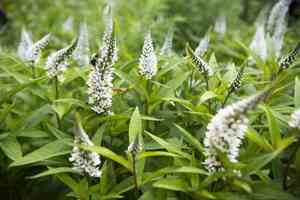
Lysimachia clethroides is a robust plant capable of enduring freezing temperatures.
2
Confirm the plant receives ample water prior to winter to support root vitality.
3
Trimming and applying mulch are crucial actions for winter readiness.
Why Is Overwintering Gooseneck loosestrife Important?
Why Is Overwintering Gooseneck loosestrife Important?
Overwintering is vital for Gooseneck loosestrife to ensure its survival through cold periods and its flourishing in the subsequent growing season. This resilient perennial, known for its elegant arching white flower spikes, can withstand frost, but taking extra preventative steps guarantees protection against harsh winter conditions. Proper overwintering supports plant vitality, encourages robust spring growth, and lessens the chances of pest and disease issues.
How to Prepare Gooseneck loosestrife for Winter?
Pruning Tips for Gooseneck loosestrife
Trimming your Gooseneck loosestrife is a primary step in winter preparation. Cut the plant back to approximately 10-15 cm (4-6 inches) above ground level. This helps eliminate any dead or diseased sections and reduces the area exposed to severe winter elements. Use clean, sharp pruning shears for precise cuts, preventing plant injury.
Mulching and Soil Preparation
Mulching is crucial for insulating the roots of the Gooseneck loosestrife from extreme cold. Apply a thick layer (5-10 cm or 2-4 inches) of organic mulch, such as shredded leaves, straw, or compost, around the plant's base. This helps stabilize soil temperature and retain moisture. Additionally, enriching the soil with compost before mulching can supply essential nutrients that sustain the plant during winter.
Watering Requirements Before Winter
Adequate watering is essential before winter arrives. In the weeks preceding the first frost, ensure your Gooseneck loosestrife receives sufficient water. This helps the plant store enough moisture to endure the dry winter months. Aim to thoroughly water the plant, ensuring the root zone is well-saturated, which typically means about 2.5-5 cm (1-2 inches) of water weekly.
Monitoring Gooseneck loosestrife Through Winter
Checking for Frost Damage
Regularly inspect your Gooseneck loosestrife for indications of frost damage, such as darkened or wilted foliage. If you observe any damage, promptly remove the affected parts to prevent further spread and maintain the plant's health. This also provides an early signal if additional protective measures are needed.
Pest and Disease Control in Winter
Pest and disease management does not cease in winter. Watch for common winter pests like aphids or spider mites that might seek refuge in your plants. Clearing debris and ensuring good air circulation around the Gooseneck loosestrife minimizes the risk of these pests. Apply appropriate insecticidal soap or a mild pesticide if an infestation is detected.



