How to Overwinter Creeping jenny
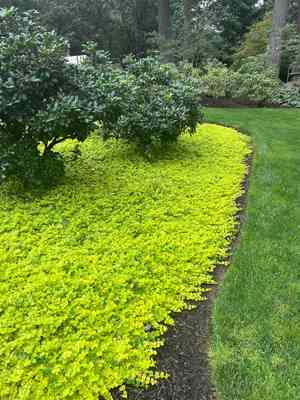
1
Creeping jenny tolerates frost, indicating its ability to endure low temperatures if properly managed.
2
Adequate mulching greatly aids in safeguarding Creeping jenny through the winter season.
3
Bringing Creeping jenny indoors for winter demands close monitoring of light and moisture levels.
What Does Overwintering Creeping jenny Entail?
What Does Overwintering Creeping jenny Entail?
Overwintering Creeping jenny involves preparing the plant to survive the harsh winter months, whether it's left outside in the garden or brought indoors. The goal is to protect the plant from extreme cold, frost, and other winter stresses while ensuring it remains healthy and can thrive again in the spring. This process includes several steps such as cutting back, mulching, and proper watering for outdoor plants, as well as ensuring the right indoor conditions if you decide to bring the plant inside.
Preparing Creeping jenny for Winter
Trimming and Pruning
One of the first steps in preparing Creeping jenny for winter is to cut back and prune the plant. Trim any dead or damaged foliage, which can help prevent disease and pests from taking hold during the colder months. Cutting back the stems to about 5 cm (2 inches) above the ground can also help manage the plant's growth and ensure a healthy start in the spring.
Mulching for Protection
Mulching is a crucial step in protecting your outdoor Creeping jenny. Apply a thick layer of mulch, about 5-10 cm (2-4 inches), around the base of the plant. This helps insulate the roots from freezing temperatures and maintains soil moisture. Use organic materials like straw, leaves, or compost for mulching. Ensure that the mulch does not touch the stems directly to prevent rot.
Watering Requirements
Watering Creeping jenny properly before winter sets in is essential. Water the plant deeply before the first frost to ensure that the roots are well-hydrated. However, avoid overwatering during the winter months as this can lead to root rot. The soil should be kept moist but not waterlogged. In winter, the plant's water needs are significantly reduced.
Indoor Overwintering Options for Creeping jenny
Choosing the Right Space
If you choose to bring Creeping jenny indoors for the winter, selecting the right space is crucial. The ideal space should be cool but not freezing, with temperatures ranging from 10-15°C (50-59°F). A basement, garage, or cool room can be suitable spaces. Ensure the area has enough room for the plant to spread out without being crammed.
Lighting and Humidity Needs
Creeping jenny needs adequate light and proper humidity levels when overwintered indoors. Place the plant near a window where it can receive indirect sunlight. If natural light is insufficient, consider using grow lights. Maintain moderate humidity levels by misting the plant occasionally or using a humidity tray. Avoid placing the plant near heating vents, which can dry out the air.
Monitoring for Pests and Diseases
Indoor environments can sometimes encourage pests and diseases. Regularly inspect your Creeping jenny for signs of pests such as aphids or spider mites. If found, treat promptly with appropriate insecticidal soap. Additionally, watch for signs of fungal infections and maintain good air circulation around the plant to prevent such issues. Addressing problems early will ensure the plant remains healthy throughout the winter.
Common Issues in Overwintering Creeping jenny
Dealing with Frost Damage
Despite its frost hardiness, Creeping jenny can suffer frost damage if winter conditions are harsher than usual. If you notice frost-damaged areas, do not prune them until the risk of frost has passed in early spring. Damaged areas can provide some insulation to the plant's base. Adding an extra layer of mulch can help protect any exposed roots.
Preventing Overwatering
Overwatering is a common issue when overwintering Creeping jenny indoors. The plant's water needs are significantly lower during winter, so it's crucial to reduce watering frequency. Ensure that the pot has proper drainage to prevent waterlogged soil, which can lead to root rot. Using a well-draining potting mix can also help minimize this risk.
Managing Poor Drainage
Poor drainage, whether indoors or outdoors, can be detrimental to Creeping jenny. Ensure outdoor beds are well-drained by improving soil structure with organic matter. If overwintering indoors, use pots with drainage holes and place a layer of gravel at the bottom to facilitate drainage. Regularly check the soil moisture and avoid letting the plant sit in water.



