How to Overwinter Purple loosestrife
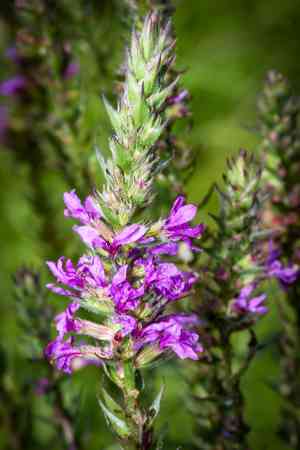
1
Purple loosestrife tolerates frost well, allowing it to thrive in chilly environments.
2
Appropriate mulching greatly enhances Purple loosestrife's ability to survive winter.
3
Start spring maintenance by clearing away mulch and dead foliage around March or April.
What is Overwintering for Purple loosestrife?
What is Overwintering for Purple loosestrife?
Overwintering involves preparing your Purple loosestrife to survive and thrive through the cold winter months. This process includes various steps to protect the plant from harsh weather conditions, ensuring it remains healthy and ready to regrow in spring. By understanding and implementing effective overwintering strategies, you can help your Purple loosestrife endure the cold season stress-free.
Preparing Purple loosestrife for Winter
Pruning Techniques
Begin by cutting your Purple loosestrife back to approximately 15-20 cm (6-8 inches) above the ground. This helps remove any diseased or dead parts of the plant, reducing the risk of pest and disease issues over the winter. Use clean, sharp pruning shears to make precise cuts and avoid tearing the plant tissue.
Soil Preparation
Before the first frost, ensure the soil around your Purple loosestrife is well-drained. Compact and waterlogged soils can cause root rot and other issues during winter. Amend the soil with organic matter like compost to improve its structure and nutrient content, enhancing the plantâs ability to endure the cold.
Mulching Strategies
Apply a thick layer of mulch around the base of the plant, at least 5-7 cm (2-3 inches) deep. Mulch acts as an insulating blanket, protecting the roots from severe temperature fluctuations. Choose organic mulch such as straw, leaves, or shredded bark to provide extra benefits like soil moisture retention and weed suppression.
Do Purple loosestrife Need Special Care During Winter?
Watering Guidelines
Water your Purple loosestrife thoroughly before the first hard freeze to ensure the soil is adequately moist. During winter, reduce watering significantly. Only water the plant during winter when the soil is completely dry.
Light Requirements
While Purple loosestrife is dormant in winter, it doesnât need much light. If the plant is grown indoors or in a greenhouse over winter, ensure it still receives some indirect light. Outdoor plants can naturally meet their light needs even as they go dormant.
Common Pests and Diseases in Winter
Identifying and Preventing Pests
Winter pests like spider mites and aphids can lurk around your Purple loosestrife. Regularly inspect the plant and surrounding soil for signs of pests. Use a mild insecticidal soap if you notice pest activity, and remove any debris that could harbor insects.
Managing Diseases
Fungal diseases such as powdery mildew can affect Purple loosestrife during winter. Ensure good air circulation by properly spacing your plants and trimming off any infected foliage promptly. Neem oil can be an effective treatment if you find signs of disease.



