How to Overwinter Common myrtle
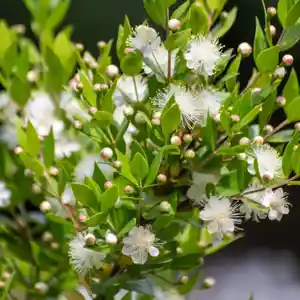
1
Prune Common myrtle prior to winter for robust spring development.
2
Bringing Common myrtle indoors for winter safeguards it from harsh weather.
3
Inspect Common myrtle for pests before moving it inside.
The Importance of Overwintering Common myrtle
Why Overwintering Common myrtle Is Important
Overwintering your Common myrtle is vital for its continued health and to ensure it thrives annually. Given that winters can be severe and unpredictable, particularly in temperate zones, your Common myrtle requires proper care to endure the cold period. This evergreen, perennial shrub can suffer from frost damage, water stress, and pest issues if not adequately prepared for winter. Essentially, overwintering helps maintain the plant's vigor, allowing it to rebound with robust growth in spring.
Preparing Common myrtle for Winter
Pruning and Cleaning the Plant
Begin by trimming your Common myrtle to remove any dead, diseased, or compromised branches. This not only aids the plant in conserving energy during winter but also reduces its susceptibility to pests and diseases. Cleaning involves clearing fallen leaves and any debris from around the plant's base to lessen the risk of fungal infections.
Adjusting Water and Fertilizer
During winter, Common myrtle requires less water compared to its active growth phase. Reduce your watering frequency to prevent waterlogged soil, which can lead to root rot. Fertilization should cease entirely as the plant will not be actively growing, and extra nutrients could cause more harm than good.
Inspecting for Pests and Diseases
Before bringing your Common myrtle indoors for overwintering, thoroughly check it for any indications of pests or diseases. Common problems include spider mites, aphids, and fungal infections. Address any infestations immediately to prevent their spread indoors and to your other houseplants.
Indoor vs Outdoor Overwintering for Common myrtle
Indoor Overwintering Steps
If you opt to overwinter your Common myrtle indoors, place it in a cool, well-lit spot where it can receive ample light. A south-facing window is ideal. Ensure the temperature remains between 5°C (41°F) and 10°C (50°F). Water sparingly to keep the soil slightly moist but not saturated.
Outdoor Overwintering Tips
For outdoor overwintering, ensure your Common myrtle is in a protected location to shield it from strong winds and frost. Apply mulch around the plant's base to provide additional insulation for the roots. You can also use a burlap wrap or garden fleece to cover the shrub during extremely cold periods.
Common Issues During Overwintering of Common myrtle
Addressing Frost Damage
Early signs of frost damage include blackened or wilted foliage. If you observe these, move the plant indoors or to a more sheltered area immediately. Prune away any damaged sections and provide warmth to aid the plant's recovery.
Managing Water Stress
Common myrtle needs less water in winter. Water stress can manifest as yellowing leaves or wilting. Use a moisture meter to check soil moisture levels and adjust your watering schedule accordingly. Remember, it's easier to recover from under-watering than over-watering during winter.
Handling Pest Infestations
Pests can be a significant concern for Common myrtle during the colder months. Regularly inspect your plant for any signs of pests like spider mites or aphids. Use insecticidal soap or neem oil treatments to manage any minor infestations. If the issue persists, consider consulting a local nursery for more specific solutions.



