How to Overwinter Boston fern
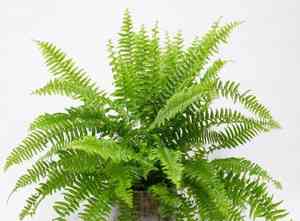
1
Boston ferns flourish in elevated humidity; target a minimum of 50% indoor humidity.
2
Utilize water at ambient temperature to prevent root shock in your Boston fern.
3
Maintain temperatures between 15°C and 24°C (60°F and 75°F) throughout the winter season.
Why Do Boston ferns Need Special Care in Winter?
Why Do Boston ferns Need Special Care in Winter?
During colder months, many plants, including Boston ferns, struggle to adapt to indoor settings. These ferns originate from tropical and subtropical areas, where the climate is consistently warm and moist. When temperatures drop and humidity levels fluctuate, the Boston fern can experience stress. Without proper attention, it might suffer from leaf loss, browning, or even perish. Providing specific care ensures your fern remains healthy and vibrant throughout the colder period.
How to Prepare Your Boston fern for Overwintering
Inspecting for Pests and Diseases
Before bringing your Boston fern indoors, it's essential to check it for pests and diseases. Common invaders include spider mites, mealybugs, and scale insects. Examine the undersides of leaves and the soil for any signs of infestation. If pests are found, treat the fern with a suitable insecticide or a homemade solution like neem oil to prevent them from entering your home.
Pruning and Cleaning
Pruning is crucial for removing any dead or yellowed fronds, which helps the plant conserve energy during its dormant phase. Clean the foliage with a soft, damp cloth to remove dust and debris. This not only improves the fern's appearance but also enhances its ability to absorb light and moisture.
Choosing the Right Pot and Soil
Select a pot with adequate drainage holes to prevent waterlogging, which can lead to root rot. Use a well-draining, peat-based potting mix to mimic the fern's natural environment. Ensuring the potting soil retains some moisture without becoming soggy is vital for the fern's well-being.
Creating the Ideal Indoor Environment
Optimal Light Conditions
Boston ferns thrive in indirect or filtered light. Position your fern near a north or east-facing window, where it can receive sufficient light without direct sun exposure, which can scorch its delicate fronds. If natural light is insufficient, consider using a grow light to supplement illumination.
Maintaining Humidity Levels
Humidity is crucial for the health of Boston ferns. Aim for a humidity level of at least 50%, though 60-70% is optimal. Use a humidifier in the room where the fern is located, or place the pot on a tray filled with water and pebbles to increase humidity. Misting the plant occasionally can also help maintain moisture levels.
Temperature Requirements
Keep your Boston fern in a room where the temperature ranges between 15°C to 24°C (60°F to 75°F). Avoid placing the fern near drafts, heating vents, or in areas with sudden temperature fluctuations. Consistent, moderate temperatures will help your fern stay healthy through winter.
Watering and Feeding During Winter
Proper Watering Techniques
Water your Boston fern when the top inch (2.5 cm) of soil feels dry to the touch. Use room temperature water to avoid shocking the roots. While it's essential to prevent the soil from drying out completely, it's equally important to avoid overwatering, which can lead to root rot.
Fertilization Guidelines
Reduce fertilization during winter as the fern's growth slows. Feed your Boston fern once a month with a diluted, balanced liquid fertilizer (half the recommended strength). This ensures the plant receives necessary nutrients without encouraging excessive growth.
Monitoring Your Boston fern Throughout Winter
Regular Health Checks
Inspect your Boston fern regularly for signs of stress, pests, or diseases. Look for yellowing leaves, browning tips, or unusual spots. Early detection of problems allows for prompt action, such as adjusting care or treating for pests.
Adjusting Care as Needed
Be prepared to modify your care routine based on the fern's requirements. If you notice the plant drying out quickly, increase humidity or adjust watering frequency. Conversely, if you see signs of overwatering, ensure the pot has adequate drainage and allow the soil to dry out more between waterings.



