How to Overwinter Sweet osmanthus
1
Sweet osmanthus is resilient and tolerates cold temperatures well, allowing it to overwinter indoors or outdoors in chillier regions.
2
A 5-7 cm (2-3 inch) layer of mulch insulates Sweet osmanthus roots throughout the winter season.
3
Sweet osmanthus thrives in partial sunlight, even in winter, which promotes its best growth and vitality.
Understanding Sweet osmanthus Frost Hardiness
Understanding Sweet osmanthus Frost Hardiness
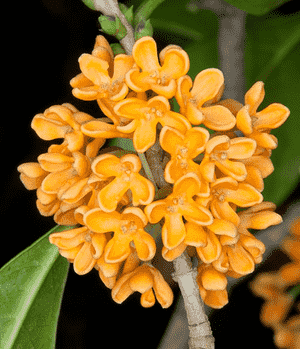
Sweet osmanthus is recognized for its fragrant blossoms and evergreen leaves. This plant exhibits considerable resilience and robustness, capable of withstanding temperatures significantly below freezing. Generally, Sweet osmanthus thrives in USDA hardiness zones 7 through 9, where winter temperatures can fall to -17°C (0°F). However, in areas experiencing colder dips, additional measures are essential to ensure the plant's survival through the winter season.
Preparing Sweet osmanthus for Overwintering
Inspecting and Pruning
Prior to winter's arrival, it's vital to examine your Sweet osmanthus for any indications of disease or damage. Remove any dead or diseased branches to prevent them from negatively affecting the plant's overall health. Pruning also aids in shaping the plant, promoting better air circulation and lowering the risk of pest issues during colder periods.
Clearing Debris
Tidy the area surrounding your Sweet osmanthus by removing fallen leaves, twigs, and other organic matter. This helps prevent decay and deters pests that might seek refuge in the debris. Maintaining a clean base around your plant will ensure it remains healthy and less vulnerable to winter stresses.
Applying Mulch
Mulching is a crucial step in safeguarding your Sweet osmanthus through winter. Apply a 5-7 cm (2-3 inch) layer of organic mulch, such as bark chips or straw, around the plant's base. This acts as an insulator, helping to keep the roots warm and retaining soil moisture. Avoid piling mulch directly against the stem to prevent rot.
Optimal Placement and Protection
Choosing the Right Spot
Selecting the ideal location for your Sweet osmanthus during winter is crucial. If the plant is in a pot, consider placing it where it receives partial sunlight. For outdoor plants, choose a spot sheltered from strong winds, which can cause desiccation (drying out) of the leaves and branches.
Using Protective Covers
For extra frost protection, use blankets, burlap, or frost cloths to cover your Sweet osmanthus. These covers help shield the plant from severe temperature drops and are especially useful during unexpected cold snaps. Remember to remove covers during the day when temperatures are warmer and sunlight is available.
Indoor vs. Outdoor Overwintering
Decide whether to overwinter your Sweet osmanthus indoors or outdoors based on local climate. In regions with extremely harsh winters, bringing the plant inside can be beneficial. Place it near a window where it can receive indirect sunlight. Ensure the indoor temperature stays moderate and avoid placing the plant near heat sources.
Watering and Feeding During Winter
Adjusting Watering Frequency
During winter, the watering requirements of Sweet osmanthus change. The soil should be kept slightly moist but not saturated. Overwatering can lead to root rot, especially in cooler temperatures. Check soil moisture regularly and water sparingly, allowing the top layer to dry out between waterings.
Winter-Appropriate Fertilizers
Reduce the frequency of fertilizing your Sweet osmanthus during the winter months. Use a balanced, slow-release fertilizer sparingly, only if the plant shows signs of nutrient deficiency. Over-fertilizing in winter can lead to weak, leggy growth and can stress the plant.
Monitoring and Managing Pests
Common Winter Pests
Even during winter, pests can be a concern for Sweet osmanthus. Common pests such as spider mites, scale, and aphids may find refuge in your plantâs foliage. Regularly inspect your plant for signs of pest infestations, including discolored leaves, webbing, or sticky residue.
Natural Pest Control Methods
To manage pests naturally, consider using insecticidal soaps or neem oil. These organic treatments can effectively control pest populations without harming beneficial insects or the plant itself. Additionally, maintaining good air circulation around the plant can help deter pest infestations.



