How to Overwinter Reed canary grass
1
Reed canary grass tolerates cold well and can endure temperatures down to -20°C (-4°F).
2
Applying mulch can aid in insulating Reed canary grass roots and preserving soil hydration through winter.
3
Winter care methods can enhance the general vitality and hardiness of Reed canary grass for the subsequent growth period.
What is Reed canary grass?
What is Reed canary grass?
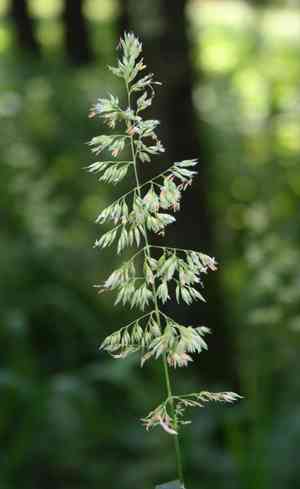
Reed canary grass is a robust perennial grass commonly found in wetland areas and along riverbanks. It has broad, flat leaves and can grow up to 2 meters (6 feet) tall. Known for its vigorous growth, Reed canary grass is often used for erosion control and as forage for livestock. Its adaptability to various soil types and environmental conditions makes it a popular choice for managing waterlogged areas.
Preparing Reed canary grass for Winter
Trimming and Pruning
Before winter sets in, it's essential to trim and prune Reed canary grass. Start by cutting back the dead and diseased stems to prevent them from harboring pests or diseases. Trimming should be done to a height of about 30 to 45 centimeters (12 to 18 inches) to protect the crown while reducing the exposure to harsh weather. This practice ensures better air circulation and decreases the potential for mold growth.
Mulching Techniques
Mulching is a vital step in preparing Reed canary grass for winter. Apply a thick layer of mulch around the base of the plant, using organic materials such as straw, hay, or shredded leaves. Aim for a depth of 5-10 centimeters (2-4 inches) to insulate the roots and preserve soil moisture. This layer acts as a barrier against frost and helps maintain a stable soil temperature throughout the winter months.
Watering Needs
While Reed canary grass requires less water during winter, itâs important to ensure the soil is adequately moist before the ground freezes. Water the plant thoroughly in the late fall to help it withstand the dry winter air. Avoid overwatering, as excessive moisture can lead to root rot. The goal is to maintain a balanced moisture level without creating a soggy environment.
Follow-up Care in Spring
Inspecting for Damage
As winter recedes, inspect your Reed canary grass for any signs of damage. Look for broken stems, discolored leaves, or signs of pest activity. Immediate attention to these issues can prevent further damage and promote a quick recovery. Removing any debris that accumulated around the plant during winter can also reduce the risk of fungal infections.
Fertilizing and Soil Management
Spring is the perfect time to enrich the soil around Reed canary grass. Apply a balanced, slow-release fertilizer to encourage vigorous growth. Follow the recommended dosage on the fertilizer packaging to avoid overfeeding. Additionally, consider testing the soil pH and making necessary adjustments to ensure the soil remains slightly acidic to neutral, which is ideal for this grass species.
Encouraging New Growth
Encouraging new growth in spring involves providing adequate sunlight and water. Gradually increase watering frequency as the temperature rises and growth resumes. Ensure the grass receives at least 6 hours of sunlight daily to fuel its recovery and new growth. Regularly monitor the plant for any signs of stress or nutritional deficiencies and address them promptly.



