How to Overwinter Garden phlox
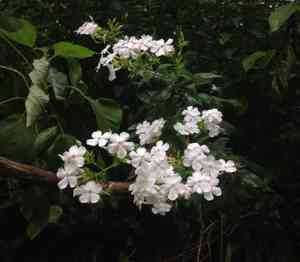
1
Garden phlox flourishes optimally in USDA zones 4-8, indicating its considerable resistance to cold temperatures.
2
Prior to freezing temperatures, a thorough watering of Garden phlox can aid in safeguarding its root system through the winter.
3
Removing plant litter and adding a layer of mulch can greatly diminish the likelihood of infestations and illnesses.
Why Overwinter Garden phlox?
Why Overwinter Garden phlox?
Preparing Garden phlox for winter is crucial for its health and continued vitality each year. This robust perennial is quite resilient, but proper winterization can prevent issues like stem decay and pest infestations. Good winter care also promotes strong growth and abundant blooms the following spring. Neglecting these steps can lead to weaker plants more vulnerable to diseases and harsh weather.
How to Prepare Garden phlox for Winter?
Cutting Back the Stems
Begin by trimming the stems of your Garden phlox to approximately 5 cm (2 inches) above the soil. This prevents the plant from expending energy on old growth and reduces the likelihood of disease transmission into spring. Always use clean, sharp pruning shears for a precise cut.
Clearing Debris
Remove any fallen leaves and plant matter from around your Garden phlox. This step is vital for minimizing the chances of pests and diseases establishing themselves in decaying material. You can add the debris to your compost pile, provided it shows no signs of illness.
Applying Mulch for Protection
Once the area is clean, spread a layer of mulch around the base of the Garden phlox. Aim for a 5-10 cm (2-4 inch) thick layer of organic material such as straw, shredded bark, or compost. This mulch insulates the soil, helping to stabilize temperatures and retain moisture. Organic mulch also decomposes, enriching the soil with nutrients for your Garden phlox over time.
Watering Before Frost
Thoroughly water your Garden phlox before the first frost arrives. This may seem counterintuitive, but well-hydrated roots are less prone to frost damage. Monitor the weather forecast and aim to water deeplyâensuring about 2-3 cm (1 inch) of water per week, adjusting for rainfall.
What to Do During Winter?
Monitoring Soil Moisture
Even in winter, it's important to check soil moisture levels. While overwatering, which can cause root rot, should be avoided, Garden phlox should not be allowed to dry out completely. Periodically check the soil and provide just enough water to keep it slightly damp (not waterlogged).
Protecting from Heavy Snow
Significant snowfall can sometimes pose a challenge for your Garden phlox. Although snow offers natural insulation, heavy, wet snow can harm the plant. If you experience heavy snowfalls, gently brush off the excess snow to prevent stems from breaking under the weight. A sturdy stick or a soft broom can be used for this task.
Common Issues and Solutions
Rotting Stems
Stem rot can be a major problem for Garden phlox during winter. This often results from excessive moisture or poor air circulation around the plant. To prevent this, ensure good drainage in your garden and avoid applying too much mulch. If you notice any rot, promptly cut and remove the affected parts.
Pests and Diseases
Even in colder months, pests and diseases can impact your Garden phlox. Common pests include spider mites and aphids, while powdery mildew is a frequent fungal issue. Regularly inspect your plants and treat any infestations quickly with appropriate organic pesticides or fungicides. Maintaining good garden hygiene and properly disposing of plant debris also helps reduce these problems.



