How to Overwinter Norway spruce
1
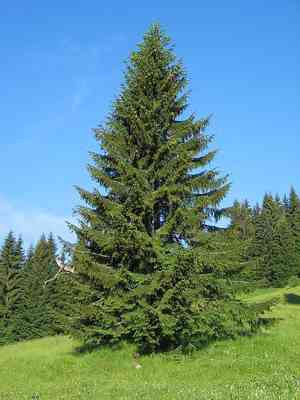
Norway spruce tolerates cold well, thriving in chilly environments.
2
Adequate winter hydration is vital; water when the top 2-3 cm (1 inch) of soil feels arid.
3
Applying mulch can protect roots and guard against freezing temperatures.
Why Overwinter Your Norway spruce?
Why Overwinter Your Norway spruce?
Safeguarding your Norway spruce through winter guarantees its vitality and robustness during severe cold periods. Although this resilient evergreen is well-adapted to chilly climates, providing appropriate winter care can help it flourish and retain its beauty. By employing specific methods, you shield your tree from extreme temperatures, frost, and snow damage, ensuring a lush, green appearance in spring.
Preparing Your Norway spruce for Winter
Assessing Plant Health
Prior to winter's arrival, it's crucial to evaluate the overall condition of your Norway spruce. Look for any indications of illness, pest infestations, or physical harm. Healthy trees are better equipped to endure winter stresses. Should you observe any problems, address them promptly with suitable treatments or interventions.
Pruning and Trimming Guidelines
Pruning is essential for the Norway spruce before winter. Remove any dead, damaged, or diseased branches. This not only enhances the tree's aesthetic but also prevents potential harm from heavy snow and ice accumulation. Aim for light pruning to shape the tree, preserving its natural form without making significant cuts.
Mulching to Protect Roots
Applying a layer of mulch around the base of your Norway spruce can insulate the roots against freezing temperatures. Use approximately 5-7.5 cm (2-3 inches) of organic mulch. Ensure the mulch is kept several centimeters (inches) away from the trunk to prevent rot.
Proper Watering Techniques During Winter
How Often Should You Water?
Watering your Norway spruce correctly is vital during winter. While the tree is dormant, it still requires moisture. Water deeply about once a month, or whenever the top 2-3 cm (1 inch) of soil is dry. This helps maintain hydration without promoting root rot.
Avoiding Overwatering Risks
Overwatering is a common issue during winter. Ensure that the soil has adequate drainage and avoid waterlogging, which can lead to root rot. It's better to water less frequently but deeply, allowing the soil to dry out slightly between watering sessions.
Dealing with Frost and Snow
Is Norway spruce Frost Hardy?
Yes, the Norway spruce is frost hardy, meaning it can withstand cold temperatures and frost. However, protecting it from extreme conditions can still benefit its overall health and longevity.
How to Shield Your Tree from Heavy Snow
Heavy snow can cause branches to break or bend. Gently brush off excess snow to prevent damage. If the forecast predicts particularly heavy snowfall, consider tying up branches loosely to provide extra support or setting up a windbreak around the tree to shield it from harsh winds and snow.
Common Winter Pests and Diseases
Identifying Common Pests
Even during winter, pests like aphids, spider mites, and scale insects can affect your Norway spruce. Regularly inspect the tree for signs of these pests. If detected, use horticultural oil or insecticidal soap as recommended to manage the infestation.
Preventive Measures Against Diseases
To prevent diseases like needle cast or root rot, maintain good gardening practices. Ensure proper spacing for air circulation, avoid overhead watering, and keep the mulch away from the trunk. Regularly monitor the tree and remove any infected parts promptly to prevent the spread of disease.



