How to Overwinter Blue spruce
1
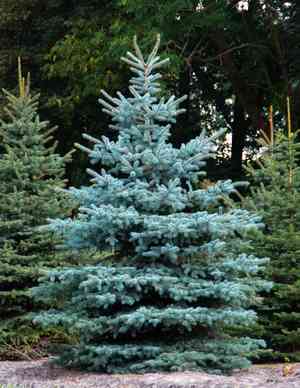
Blue spruce is robust and tolerates winter temperatures down to -40°C (-40°F).
2
Tip: Provide a thorough watering to your Blue spruce prior to the ground freezing to aid its winter survival.
3
Fun Fact: Blue spruce possesses inherent immunity to numerous prevalent pests, rendering it a durable garden selection.
Why Overwinter Blue spruce?
Why Overwinter Blue spruce?
Overwintering Blue spruce ensures the tree stays healthy and vibrant through colder periods. Proper winter care protects the tree from potential harm caused by severe temperatures, strong winds, and pests. By overwintering your Blue spruce, you prepare it for vigorous growth and lush foliage when spring arrives.
Preparing Blue spruce For Winter
Inspecting and Pruning
Before the first frost, check your Blue spruce for any signs of illness or damage. Remove any dead or broken limbs to prevent them from becoming dangerous during winter storms. Prune away any branches that cross to improve air circulation and lower the risk of fungal infections.
Watering Strategies
Adequate watering is vital for Blue spruce before winter begins. Ensure your tree is well-watered before the ground freezes, as this helps sustain the roots during dormancy. Aim to water the tree deeply, providing about 25 mm (1 inch) of water weekly until late autumn.
Mulching Techniques
Applying a layer of mulch around the base of your Blue spruce helps maintain soil moisture and regulates soil temperature. Use organic mulch materials like wood chips or straw, spreading a 5-10 cm (2-4 inch) thick layer around the tree's drip line, but keep it away from the trunk to prevent rot.
Ideal Winter Conditions for Blue spruce
Temperature and Frost Tolerance
Blue spruce is remarkably frost-hardy and can withstand temperatures as low as -40°C (-40°F). Nevertheless, ensuring the tree is well-hydrated before winter can further boost its frost resistance.
Sunlight and Shade Requirements
During the winter months, Blue spruce needs ample sunlight. Positioning your tree where it gets at least 6 hours of sunlight daily will help maintain its color and overall health. While it can tolerate partial shade, optimal sunlight exposure is beneficial during shorter winter days.
Preventing Common Winter Issues
Pests and Diseases
While Blue spruce is quite pest-resistant, winter can bring challenges like spider mites or needle cast fungi. Regularly inspect your tree for signs of infestations and treat promptly with appropriate horticultural oils or fungicides if needed.
Wind and Snow Damage
Heavy, wet snow and harsh winter winds can harm your Blue spruce. Consider using burlap windbreaks, especially for younger trees, to shield them from strong winds. Gently brush off heavy snow accumulation from branches to prevent them from bending or breaking.
Monitoring Blue spruce Through Winter
Regular Inspections and Adjustments
Throughout the winter, regularly check your Blue spruce for any signs of stress or damage. Look for discolored needles, broken branches, or signs of pest activity. Making prompt adjustments and addressing issues as they arise will help maintain the tree's health and vigor.
Adapting to Changing Conditions
Winter conditions can be unpredictable. Be prepared to adjust your care routine as needed. For example, if there's an unseasonably warm spell, ensure the tree remains hydrated. Conversely, during extremely cold snaps, make sure protective measures like windbreaks are securely in place.



