How to Overwinter Japanese pieris
1
Japanese pieris tolerates cold well but greatly benefits from appropriate winter maintenance.
2
Trimming Japanese pieris prior to winter aids in enhancing air flow and decreasing pest problems.
3
Applying mulch to Japanese pieris assists in retaining hydration and insulating the root system during chilly periods.
Why Overwinter Japanese pieris?
Why Overwinter Japanese pieris?
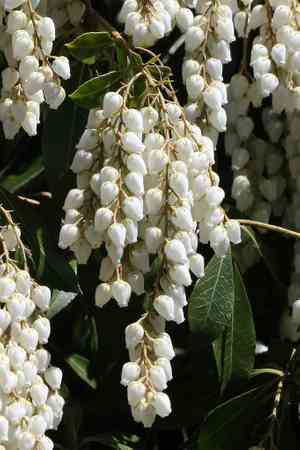
Safeguarding Japanese pieris through winter is vital for its ongoing vitality and aesthetic appeal. This evergreen, celebrated for its lovely bell-shaped flower clusters, tolerates cold but thrives with extra winter attention. Proper winter care boosts the plant's lifespan, guarantees abundant spring blooms, and guards against severe weather like frost and heavy snow. These measures ensure your Japanese pieris stays vibrant and robust all year.
Preparing Japanese pieris for Winter
Pruning and Cleaning the Plant
Start your winter preparations by trimming your Japanese pieris. Remove any dead or damaged branches and clear debris from the plant's base. This tidying improves air circulation and helps stop disease spread. Aim to prune in late fall before the first significant frost. A well-maintained plant is less likely to harbor pests and diseases.
Checking for Pests and Diseases
Before winter arrives, inspect your Japanese pieris for any pest or disease indicators. Look for common problems such as aphids, spider mites, or leaf spot. Address any issues promptly with suitable organic or chemical treatments. Ensuring your plant is pest-free before winter can prevent problems from worsening as growth slows in the cold.
Providing Adequate Watering
Watering Schedule for Winter
During winter, Japanese pieris needs less frequent watering than in warmer months. However, it's crucial to prevent the soil from drying out completely. Water the plant when the top 2-3 cm (1-1.5 inches) of soil feels dry. Aim for deep, infrequent watering to ensure moisture reaches the root zone.
Ensuring Proper Drainage
Good drainage is essential in winter to prevent waterlogging and root rot. Make sure your Japanese pieris is planted in well-draining soil. You can enhance drainage by mixing compost or sand into the soil. Also, avoid placing saucers under pots to prevent water accumulation.
How to Mulch Japanese pieris?
Benefits of Mulching
Mulching offers several advantages for Japanese pieris. It helps retain soil moisture, suppresses weeds, and insulates roots from temperature swings. In winter, this insulation is critical as it shields roots from damaging freeze-thaw cycles.
Best Mulching Materials
Opt for organic mulching materials such as bark chips, pine needles, or shredded leaves. Apply a layer of mulch approximately 5-7.5 cm (2-3 inches) thick around the plant's base, extending to cover the drip line. Be sure to keep the mulch away from the trunk to prevent rot.
Protecting Japanese pieris from Frost
Using Covers and Cloches
For regions experiencing severe frost, consider using plant covers or cloches for extra protection. Floating row covers, burlap, or frost blankets can be draped over the plant to shield it from harsh temperatures. Ensure the cover is secure but allows some airflow to prevent mold and mildew.
Windbreaks and Shelter
In windy areas, creating a windbreak can help protect your Japanese pieris. Use fencing, hedges, or temporary barriers to lessen the impact of cold winds. Strategic placement near natural windbreaks like trees or buildings can also offer significant protection.
Monitoring Japanese pieris Health During Winter
Signs of Stress to Watch
Even with winter preparations, it's important to monitor your Japanese pieris for signs of stress. Common indicators include yellowing or browning leaves, wilting, and leaf drop. If you notice any of these signs, it may indicate issues such as inadequate watering or exposure to extreme cold.
Adjusting Care as Needed
If your Japanese pieris shows signs of stress, adjust your care routine accordingly. Ensure the soil remains moist but not waterlogged, and consider adding extra mulch for insulation. Adjust the placement of covers or windbreaks to better shield the plant from the elements.



