How to Overwinter Lodgepole pine
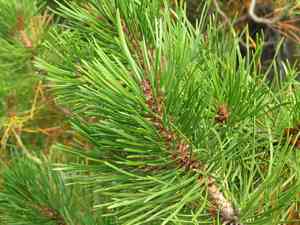
1
Applying mulch helps protect the root system of your Lodgepole pine, reducing its vulnerability to cold temperatures.
2
Adequate watering before the soil freezes is essentialâtarget 1-2 inches (2.5-5 cm) of water each week during autumn.
3
Remove dead or infected branches in late winter to promote robust spring development and deter pests from surviving the winter.
What Does It Mean to Overwinter Lodgepole pine?
What Does It Mean to Overwinter Lodgepole pine?
Overwintering involves preparing your Lodgepole pine for the cold season, ensuring its health and resilience despite harsh weather. This includes strategic actions like choosing a suitable location, mulching, watering, pruning, and providing wind protection. The aim is to lessen winter stress and encourage strong growth when temperatures rise.
Why is Overwintering Important for Lodgepole pine?
Protecting Against Winter Stress
Winter can be very challenging for plants, especially conifers like the Lodgepole pine. By overwintering, you shield your tree from winter stress caused by freezing temperatures, wind, and intermittent thaws. Proper preparation helps your pine conserve energy and remain robust throughout the cold period.
Ensuring Healthy Growth in Spring
When you take appropriate measures to overwinter your Lodgepole pine, you prepare it for vigorous and healthy growth in spring. Good winter care ensures that your tree's roots, branches, and needles stay in prime condition, ready to flourish as soon as temperatures increase.
Steps to Overwinter Lodgepole pine
Site Selection
Select a location that offers some defense from strong winds. Areas near structures or other large plants can serve as windbreaks, reducing stress on your Lodgepole pine during winter storms.
Mulching
Apply a layer of mulch around the tree's base, extending to cover the root zone. This mulch insulates, keeping soil temperatures more stable and preventing root freezing. Aim for a mulch layer of about 2-4 inches (5-10 cm) thick.
Watering
Adequate watering before the ground freezes is crucial. Ensure your Lodgepole pine receives approximately 1-2 inches (2.5-5 cm) of water weekly during autumn. This helps the tree stay hydrated, as dry soil can worsen winter damage.
Pruning
Remove any dead or diseased branches before winter fully arrives. This reduces the risk of pests and diseases overwintering in the tree and promotes healthy growth in spring. Be careful and avoid heavy pruning during the dormant period.
Wind Protection
Consider using windbreaks or burlap screens to protect your Lodgepole pine from strong winter winds. These barriers can prevent windburn and minimize overall damage to the foliage.
Do's and Don'ts for Overwintering Lodgepole pine
Do's
Do apply mulch to insulate the root zone. Do ensure the tree is well-watered before the ground freezes. Do prune dead or diseased branches to prevent pests.
Don'ts
Don't prune heavily during the dormant season. Don't neglect watering in the fall. Don't forget to check for signs of desiccation or disease.
Common Issues and Solutions During Overwintering
Winter Burn
Winter burn results from dry winter winds and low soil moisture, causing needles to brown and die. To prevent this, ensure proper mulching and consider building windbreaks. Regular watering in autumn can also reduce the risk.
Waterlogging
While watering is vital, too much water can lead to waterlogging, which suffocates roots and encourages fungal diseases. Ensure proper drainage in your planting area to avoid this. During winter, avoid overwatering and frequently check soil moisture levels.
FAQs About Overwintering Lodgepole pine
Can Lodgepole pine be overwintered indoors?
Lodgepole pines are best suited for outdoor environments and typically do not thrive indoors. They require a cold dormancy period to flourish. However, if absolutely necessary, keep them in a cool, well-lit area and gradually reintroduce them outside in spring.
What are the signs of a healthy Lodgepole pine after winter?
A healthy Lodgepole pine will have vibrant, green needles and show new growth as temperatures rise in spring. Look for any signs of needle browning or dieback, as these may indicate winter stress or damage.



